Main Types of Tenerife Boat Trips
The island's marine excursions fall into several categories, each offering different experiences on the Atlantic. Most operators run trips from the southern harbours, where conditions are calmer and cetacean sightings are frequent.
Whale and dolphin watching trips focus on observing resident short-finned pilot whales and bottlenose dolphins in their natural habitat. These excursions typically last 2-3 hours and depart from harbours including Puerto Colón in Costa Adeje, Los Cristianos, and Los Gigantes. Many boats carry a Yellow Boat or Blue Boat charter flag, indicating they follow responsible wildlife observation guidelines.
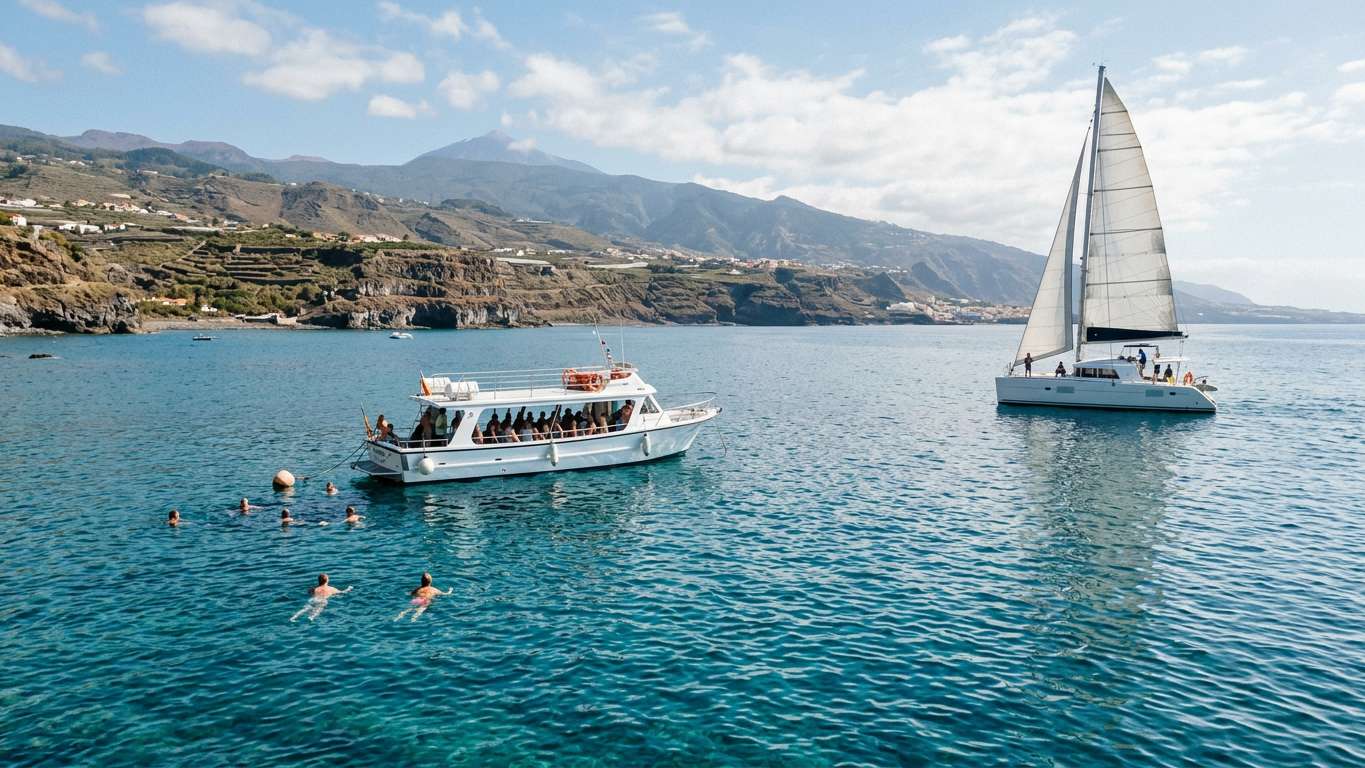
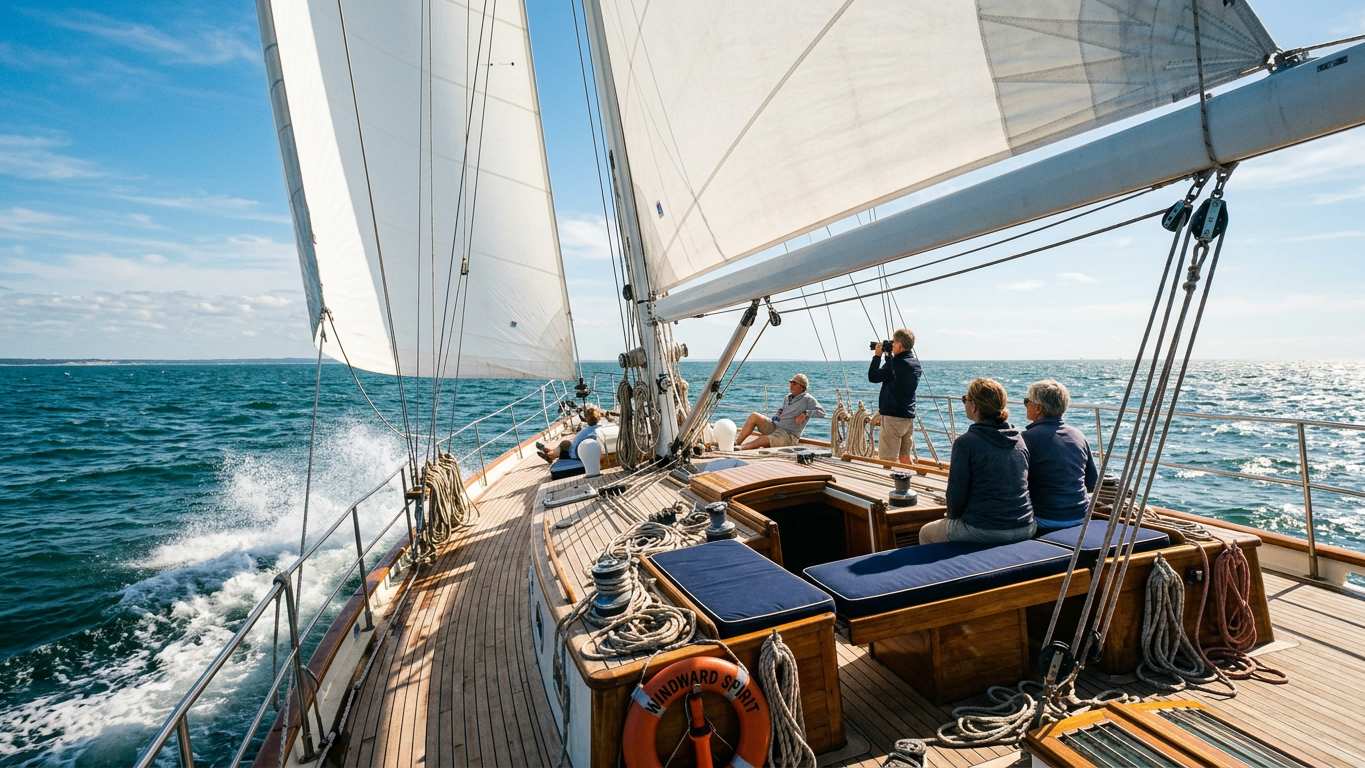
Sailing yacht charters offer a quieter experience, often combining cetacean watching with swimming stops near the cliffs. Most sailing trips accommodate smaller groups, typically 8-12 passengers, and may include lunch or drinks. Journey times to prime viewing areas are slightly longer than on motor catamarans.
Glass-bottom boats allow you to observe underwater life without getting wet, particularly useful for families with young children or non-swimmers. These vessels usually stay closer to shore and focus on coastal rock formations and fish populations rather than open-ocean cetaceans.
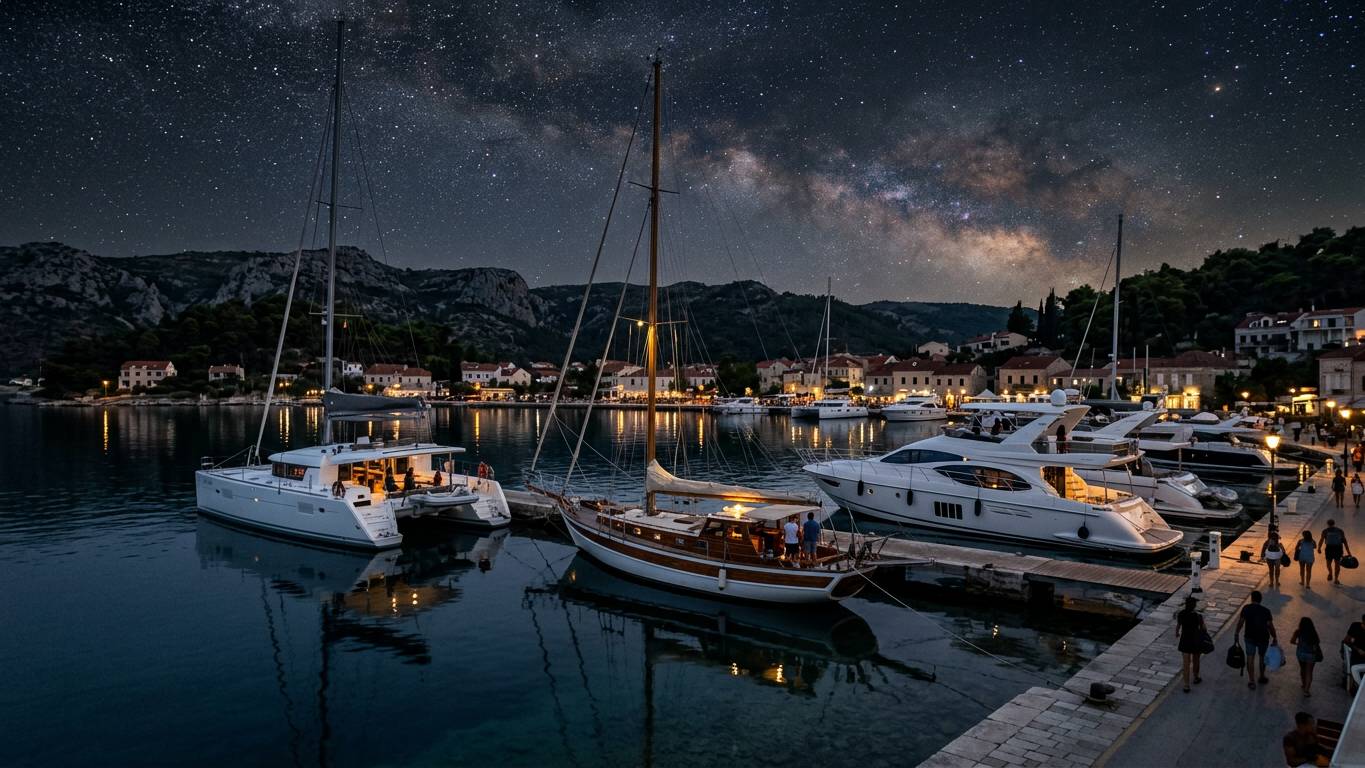
Sunset and evening cruises combine coastal scenery with the golden hour, departing in late afternoon. Some include live music, dinner or sparkling wine. The timing means you'll see fewer cetaceans than on daytime wildlife trips, though sightings still occur.
Fishing charters target species including tuna, marlin and grouper. Trips range from budget shared boats to premium private charters with professional tackle. Most operators provide all equipment and fishing licences.
Private charters let you set your own itinerary, whether for a family celebration, photography session or simply avoiding crowds. Vessels range from modest motor boats to luxury catamarans with crew.
Departure Harbours and Their Locations
Your departure point affects journey time to prime viewing areas, sea conditions and available trip types. The main harbours lie along the south and west coasts.
Puerto Colón in Costa Adeje is the busiest harbour, offering the widest choice of operators and departure times. The marina lies about 10 minutes by car from Playa de las Américas and 15 minutes from Los Cristianos. Vessels reach the pilot whale zone within 15-20 minutes.
Los Cristianos harbour serves both boat trips and the La Gomera ferry. Located centrally on the southern coast, it offers good access to cetacean areas and slightly shorter transfer times if you're staying in Los Cristianos itself. You'll find a mix of large catamarans and smaller vessels here.
Puerto de Los Gigantes sits beneath the dramatic Acantilados cliffs on the west coast, about 25 minutes by car from Costa Adeje. Trips from this harbour reach the sheltered waters along the cliff base quickly, where pilot whales are frequently sighted. The setting is more dramatic than the southern harbours.
Puerto de la Cruz on the north coast offers fewer marine excursions due to more exposed sea conditions. When trips do run, they typically focus on coastal scenery and swimming rather than guaranteed cetacean watching.
Most operators include return transfers from accommodation in the main southern resorts, adding 30-60 minutes to your total excursion time. Independent travellers can park near all harbours, though spaces fill quickly in high season.
Book Your Boat Trip in Tenerife
More on GetYourGuide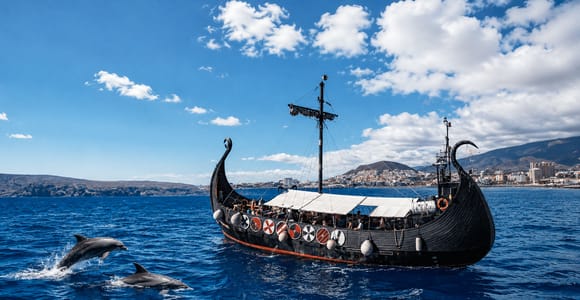 BestsellerWater activityTenerife: Whale and Dolphin Watching Cruise with Swim Stop2 hours · ★ 4.7 (3 758 reviews)from €28See availability →
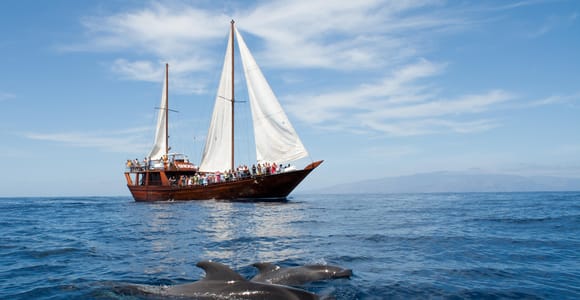 Water activityTenerife: Whale & Dolphin Watching on a Wooden Boat with a Swim Stop110 minutes - 5 hours · ★ 4.6 (569 reviews)from €28See availability →
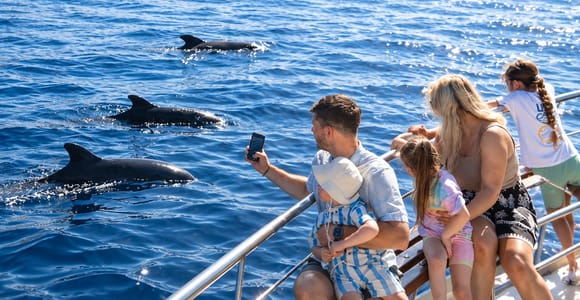 Water activityTenerife: Whale & Dolphin Watching Cruise with Swim Stop110 minutes · ★ 4.7 (4 303 reviews)from €28See availability →
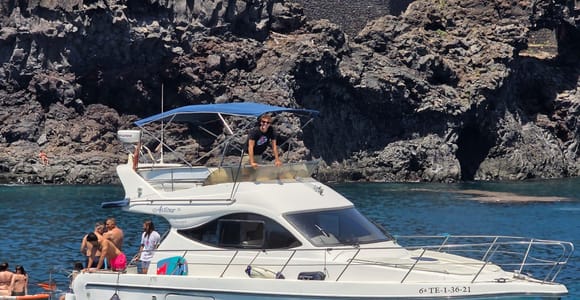 Water activityWHALES WATCHING SAFARI WITH LUXURY BOAT - TENERIFE SOUTH3 hours · ★ 4.8 (145 reviews)from €50See availability →
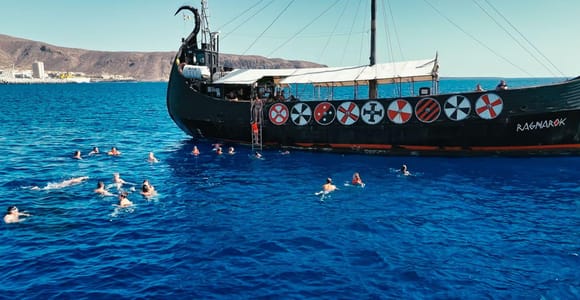 BestsellerWater activityLos Cristianos: Whale Watching Cruise w/Swim Stop & Drinks3 hours · ★ 4.7 (1 010 reviews)from €39See availability →
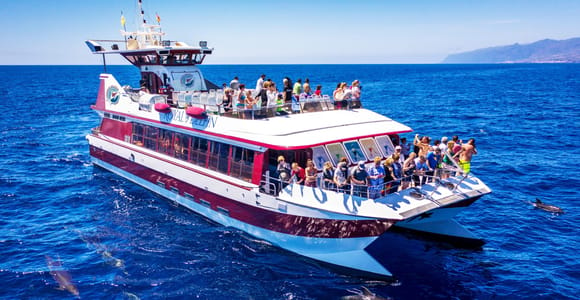 BestsellerWater activityCosta Adeje: Whale & Dolphin Submarine Vision Mini Cruise2 hours · ★ 4.5 (2 360 reviews)from €33See availability →
Catamaran vs Sailing Yacht vs Motor Boat
| Vessel Type | Capacity | Speed to Viewing Area | Stability | Noise Level | Typical Price Range |
|---|---|---|---|---|---|
| Large catamaran | 60-200 passengers | 15-25 minutes | Very stable | Moderate engine noise | Budget to mid-range |
| Sailing yacht | 8-12 passengers | 30-45 minutes | Tilts with wind | Quiet under sail | Mid-range to premium |
| Motor boat | 10-30 passengers | 10-20 minutes | More movement | Louder engines | Budget to mid-range |
| Luxury catamaran | 20-40 passengers | 15-25 minutes | Very stable | Quiet modern engines | Premium |
Large catamarans suit families and mixed groups, with spacious sun decks, shaded areas, onboard toilets and snack bars. The twin-hull design provides excellent stability, reducing seasickness risk. Viewing can be crowded when cetaceans appear, as all passengers move to one side.
Sailing yachts create a more intimate atmosphere and run more quietly when under sail, which some believe is less disturbing to wildlife. You'll sit closer to the waterline, offering different photographic angles. The tilting motion when sailing suits those with good sea legs.
Smaller motor boats offer agility and can manoeuvre quickly to track cetacean movements. Some passengers find the ride bumpier and the engine noise less relaxing than on larger vessels. These boats typically reach prime areas fastest.
Premium catamarans bridge the gap between mass-market and private charter, with limited passenger numbers, better catering and more attentive service. Some include snorkelling equipment, paddleboards or underwater viewing windows.
Duration and What's Usually Included
Most standard whale watching Tenerife trips last 2-3 hours, with around 1.5-2 hours on the water after boarding time. Budget operators may offer shorter 90-minute trips, whilst premium experiences extend to 4-5 hours with multiple stops.
Half-day and full-day sailing charters typically last 3-6 hours, including swimming stops along the coast. Some combine cetacean watching with visits to secluded bays beneath the cliffs, particularly around Los Gigantes. The longer duration allows time to reach quieter areas away from the main boat traffic.
Standard inclusions on most mid-range trips include drinks (water, soft drinks, sometimes beer or wine), basic snacks, and use of snorkelling equipment if the itinerary includes a swimming stop. Crew provide commentary about the cetaceans and local marine environment, usually in Spanish and English, sometimes German.
Premium and private charters often include hot meals, open bar service, professional underwater cameras, paddleboards and more extensive snorkelling gear. Some luxury operators provide wetsuits in winter months when water temperatures drop to around 19°C.
Fishing charters typically run for 4-8 hours depending on target species. Shared fishing trips usually include all tackle, bait and licences, whilst private charters may offer more specialised equipment. Some operators clean and pack your catch, though you should verify this when booking.
Sunset cruises last 2-3 hours, timed to return after dark. Check whether dinner is a full meal or tapas-style snacks, and whether drinks are included or purchased onboard. Live music or DJ entertainment features on some evening trips.
Timing and Booking Considerations
Tenerife boat trips run year-round, with resident short-finned pilot whales present in the channel between the island and La Gomera throughout all seasons. Sea conditions are generally calmer from May to September, whilst winter months can bring cancelled departures due to swell.
Morning departures often encounter calmer seas and clearer light for photography. Afternoon trips can be warmer but occasionally face stronger winds and choppier conditions, particularly in spring. Some operators run multiple departures daily during high season, giving flexibility if you need to reschedule around weather.
Boat trips sell out frequently during school holidays and peak season (December-March and July-August). Booking several days ahead ensures you secure your preferred date, time and vessel type. Last-minute availability occurs but limits your choice, particularly for premium and private options.
Weather-related cancellations entitle you to a full refund or alternative date. If sea conditions deteriorate after departure, most trips continue to sheltered areas but may shorten the duration. Operators make final decisions based on harbour master guidance and vessel capabilities.
Check the cancellation policy when comparing options, as terms vary. Many operators allow free cancellation up to 24 hours before departure, whilst some premium and private charters require longer notice. Travel insurance covering missed excursions provides additional protection.
Families with young children should consider trip duration, toilet facilities and shade availability. Most large catamarans accommodate pushchairs, whilst smaller vessels require you to fold and stow them. Check minimum age requirements, as some sailing yachts and fishing charters restrict children under 6 or 8 years.
What to Bring on Your Boat Trip
Preparing properly ensures comfort throughout your time on the water. Even in summer, conditions at sea differ from land temperatures and exposure.
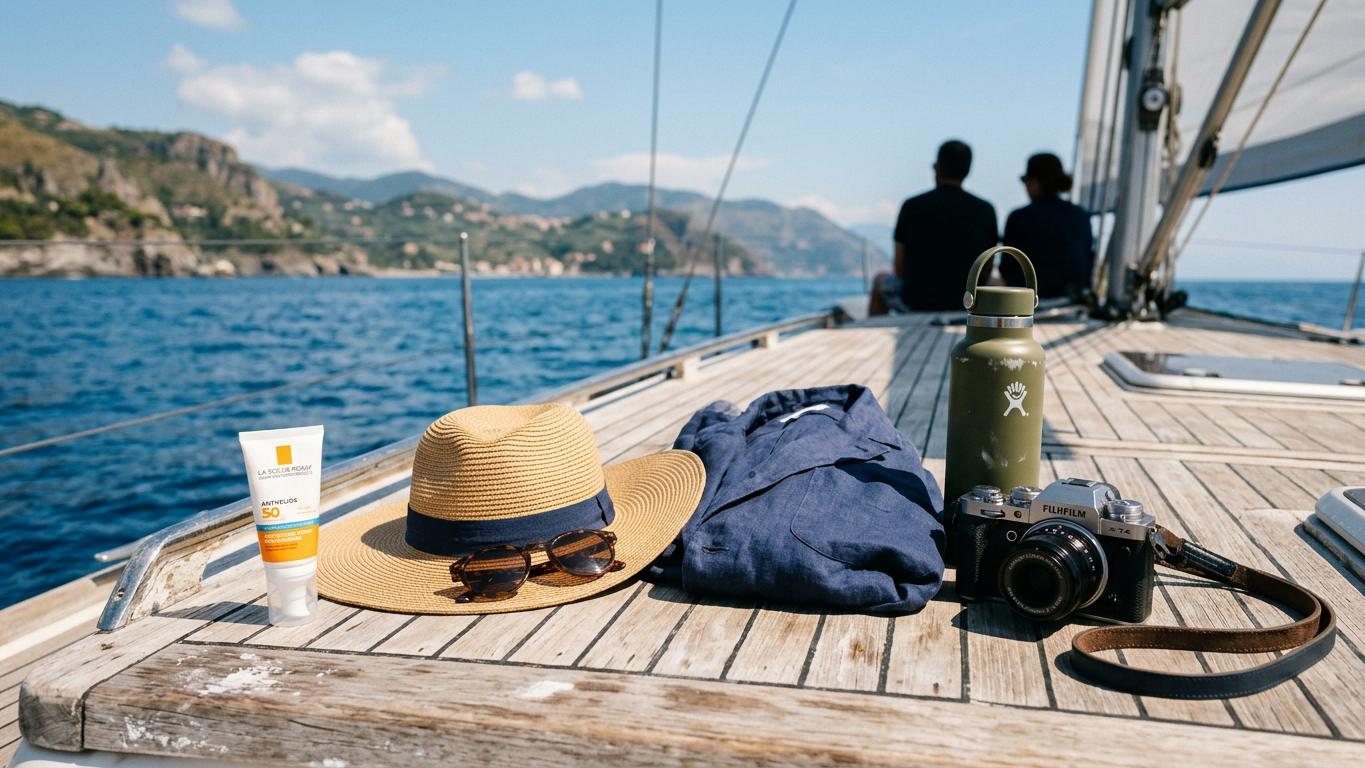
Sun protection: bring high-factor sunscreen (SPF 30 or above), sunglasses with UV protection, and a wide-brimmed hat or cap. Reflection off the water intensifies UV exposure, and you'll spend extended periods with minimal shade on most vessels. Reapply sunscreen after swimming.
Layers: pack a light windproof jacket even in warm months. Sea breezes feel cooler once the boat is moving, particularly in shaded areas or if you're wet from swimming. Winter trips (November-March) require warmer layers, as temperatures on the water can be 5-8°C cooler than on land.
Footwear: wear non-slip shoes with grip, avoiding flip-flops which can slide on wet decks. Many boats require you to remove shoes before boarding or swimming, so choose footwear you can slip on and off easily. Bring a small bag to store them.
Seasickness: take medication at least 30 minutes before departure if you're prone to motion sickness. Ginger tablets or acupressure wristbands offer drug-free alternatives. Avoid heavy meals before boarding and, once on the water, focus on the horizon rather than reading or using phones.
Photography: protect cameras and phones in waterproof cases or bags, especially on smaller vessels where spray is common. Bring extra batteries or power banks, as you won't have charging access. Memory cards should have ample capacity for video if you're recording cetacean encounters.
Swimming gear: pack swimwear, towel and reef-safe sunscreen if the itinerary includes swimming stops. Some boats provide towels but confirm this when booking. Snorkelling equipment is usually provided, though you may prefer your own mask for fit and hygiene.
Most operators request you leave large bags at your accommodation or in car park lockers. Bring only essentials in a small waterproof backpack or dry bag.
Combining Boat Trips with Other Activities
Marine excursions fit well into a broader Tenerife itinerary, particularly when you're based on the south or west coast. Several combinations work efficiently within a single day or week.
A morning boat trip pairs naturally with an afternoon exploring Masca gorge, though this requires stamina as both activities are physically engaging. Alternatively, combine a boat excursion with a gentler afternoon at Los Gigantes beach or a meal in one of the harbour restaurants.
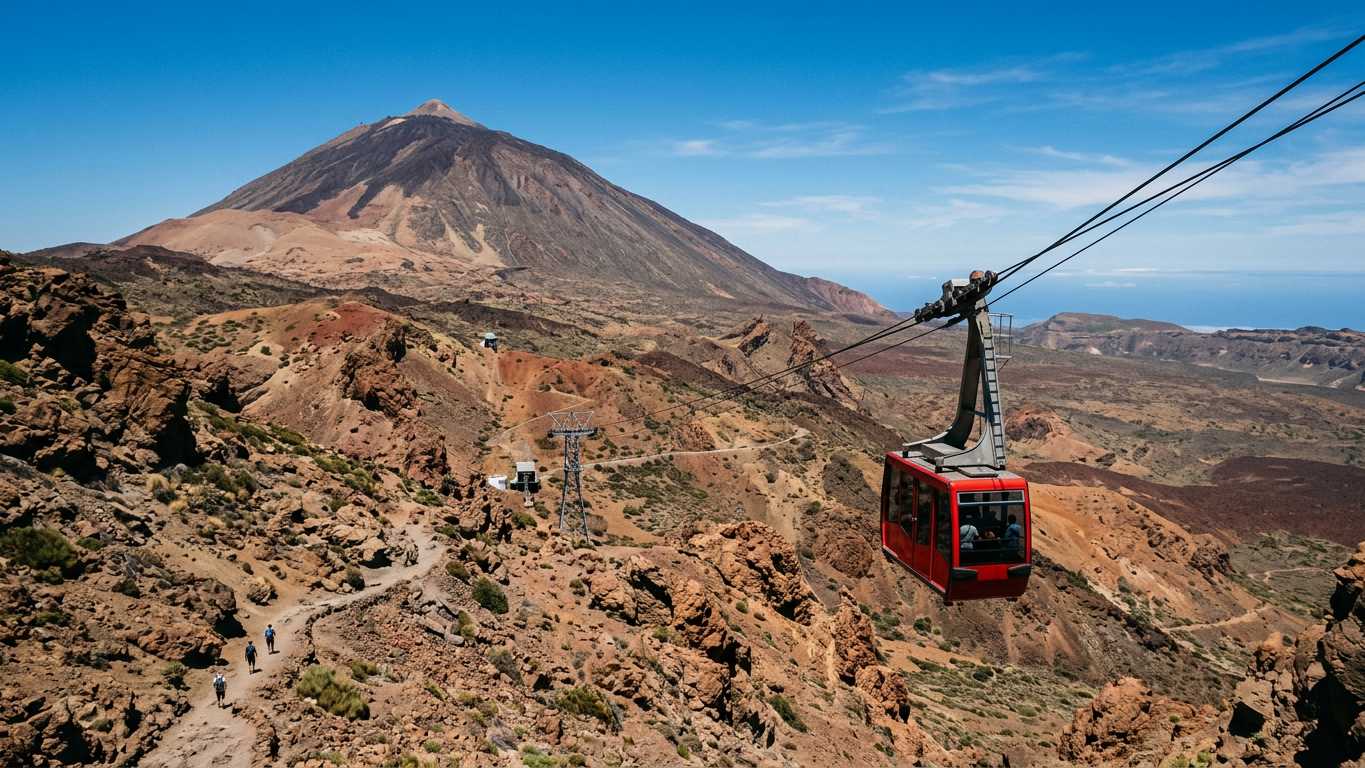
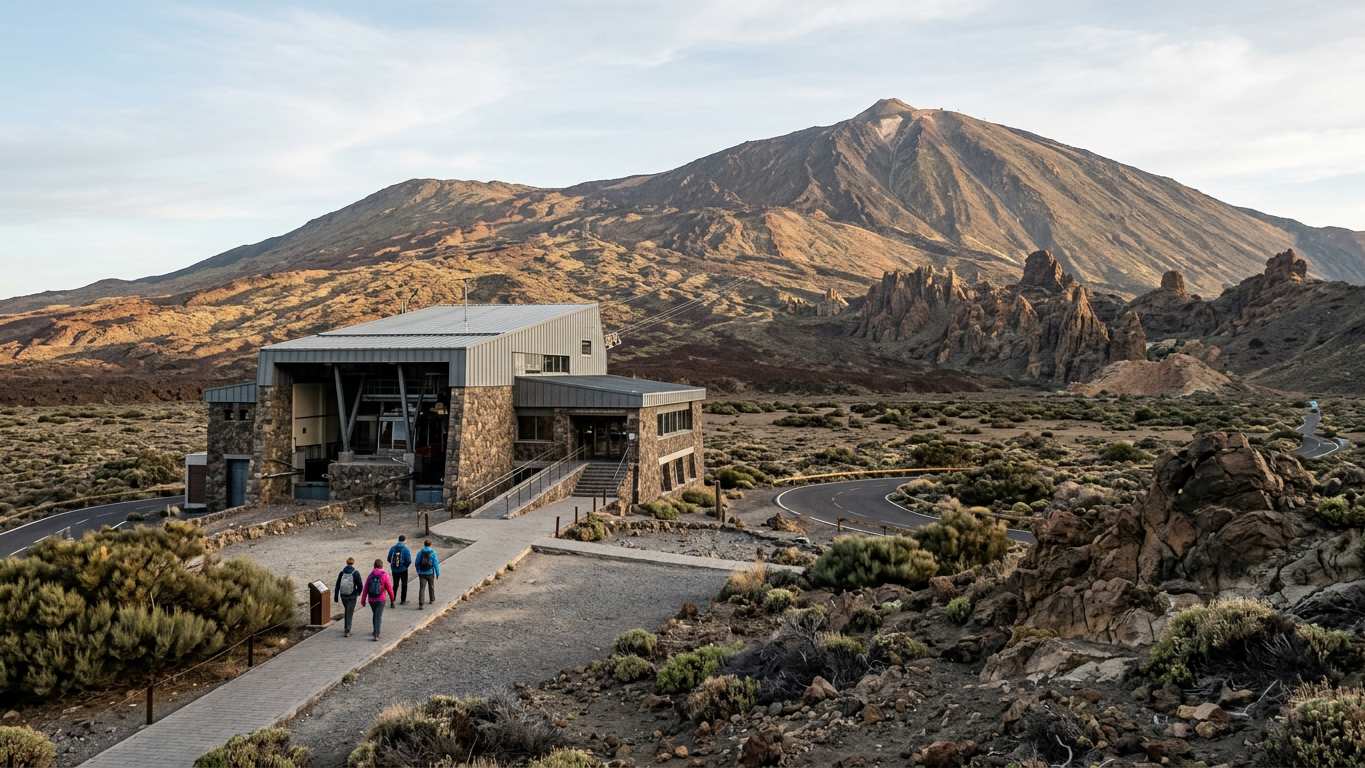
If you're interested in both marine life and volcanic landscapes, consider a whale watching trip one day and a Mount Teide excursion another. Some visitors enjoy the contrast between Tenerife's coast and its 3,718-metre peak. Evening Teide by night stargazing works well after a morning boat trip, as you'll rest during the middle of the day.
Staying in Costa Adeje gives easy access to both Puerto Colón for boat trips and the departure points for various excursions from Costa Adeje including Teide tours and southern island exploration. Northern visitors will find fewer marine options but can explore alternatives through excursions from Puerto de la Cruz.
A La Gomera day trip from Tenerife offers a different marine experience, with the ferry crossing providing opportunities to see cetaceans during the 50-minute journey. Some travellers prefer dedicating one day to boat-based wildlife watching and another to the neighbouring island's laurel forests and villages.
Adventure-focused visitors sometimes combine morning boat trips with afternoon buggy tours Tenerife, creating a full day of contrasting activities. Check timing carefully, as you'll need to account for transfers and a break between excursions.
Frequently asked questions
Which Tenerife boat trip is best for seeing whales and dolphins up close?
Smaller catamarans and sailing yachts with limited passenger numbers (under 40 people) typically offer closer, less crowded viewing when pilot whales or dolphins approach the vessel. Trips departing from Los Gigantes often encounter cetaceans near the dramatic cliffs, providing a memorable setting. Choose operators displaying Yellow Boat or Blue Boat certification, which indicates they follow responsible observation distances and practices.
Do boat trips in Tenerife run in winter and are seas too rough?
Boat trips operate year-round, with short-finned pilot whales resident in Tenerife's waters throughout all seasons. Winter months (December-February) can bring rougher seas and occasional cancellations due to swell, particularly on the west coast. Southern harbours like Puerto Colón and Los Cristianos generally experience calmer conditions than northern departure points, and morning trips often face gentler seas than afternoon departures.
How long does a typical whale watching boat trip last and what time should I book?
Standard whale watching excursions last 2-3 hours including boarding time, with around 1.5-2 hours on the water. Morning departures (typically 10:00-11:00) offer calmer seas and better light for photography, whilst early afternoon trips (13:00-14:00) can be warmer but occasionally choppier. Most operators run multiple departures daily in high season, allowing you to choose the timing that suits your schedule.
Will I get seasick on a Tenerife boat trip and how can I prevent it?
Large catamarans with twin hulls provide the most stable platform and significantly reduce seasickness risk compared to smaller vessels. If you're prone to motion sickness, take medication 30 minutes before departure, avoid heavy meals beforehand, and request a seat in the middle of the boat where movement is minimal. Focus on the horizon rather than screens once aboard, and consider morning departures when seas are typically calmer.
Can I take young children on a boat trip and which type is most suitable?
Most large catamarans welcome children of all ages and provide toilets, shade, and space for pushchairs, making them the most family-friendly option. Shorter trips (2 hours) suit younger children better than extended excursions, and morning departures often feature calmer conditions. Check whether your chosen operator requires life jackets for children and verify minimum age limits, as some sailing yachts and fishing charters restrict passengers under 6-8 years.
What's the difference between a budget and premium boat trip in Tenerife?
Budget trips typically use larger vessels (100+ passengers) with basic included refreshments, shorter durations (90-120 minutes) and minimal extras. Premium experiences limit passenger numbers to 20-40, include better catering (hot meals, open bar), provide additional equipment (underwater cameras, paddleboards), and often visit quieter areas with swimming stops. Private charters offer the most flexibility but cost significantly more than shared trips.
Is it better to book a boat trip from Los Gigantes or Costa Adeje?
Costa Adeje (Puerto Colón) offers the widest choice of operators, departure times and vessel types, with pilot whales typically sighted within 15-20 minutes of leaving harbour. Los Gigantes provides more dramatic cliff scenery and slightly shorter journey times to prime viewing areas, but fewer departure options. Both harbours have excellent cetacean sighting records; your choice depends on accommodation location and preferred atmosphere.
Do I need to bring my own snorkelling equipment on boat trips with swimming stops?
Most operators provide basic snorkelling equipment (mask, snorkel, fins) included in the trip price, suitable for casual swimmers exploring shallow waters. If you have specific fit requirements, preferences for dry snorkels, or concerns about shared equipment hygiene, bringing your own gear ensures comfort. Confirm equipment provision when booking, as some budget trips charge extra for snorkel hire or only provide masks without fins.