UNESCO World Heritage Status and Geography
The park gained UNESCO World Heritage status in 2007 for its geological significance. The Las Cañadas caldera stretches about 17 kilometres at its widest point, forming a vast amphitheatre of volcanic rock and pumice. The caldera floor sits at roughly 2,000 to 2,200 metres above sea level, while the Teide stratovolcano rises another 1,500 metres from the centre.
Three main roads cross the park: TF-21 from La Orotava in the north, TF-24 from La Laguna, and TF-38 from Chío in the southwest. The roads converge near the visitor centre and cable car base station. Driving from the coast takes 45 to 60 minutes depending on your starting point.
The park experiences a high-altitude climate with intense sun, low humidity and rapid temperature shifts. Summer daytime temperatures at caldera level range from 15 to 25 degrees Celsius, dropping near freezing at night. Winter brings snow above 2,500 metres, occasionally closing roads for a few hours. Always check the current status before you go, especially between November and March.
Visitor Centres and Facilities
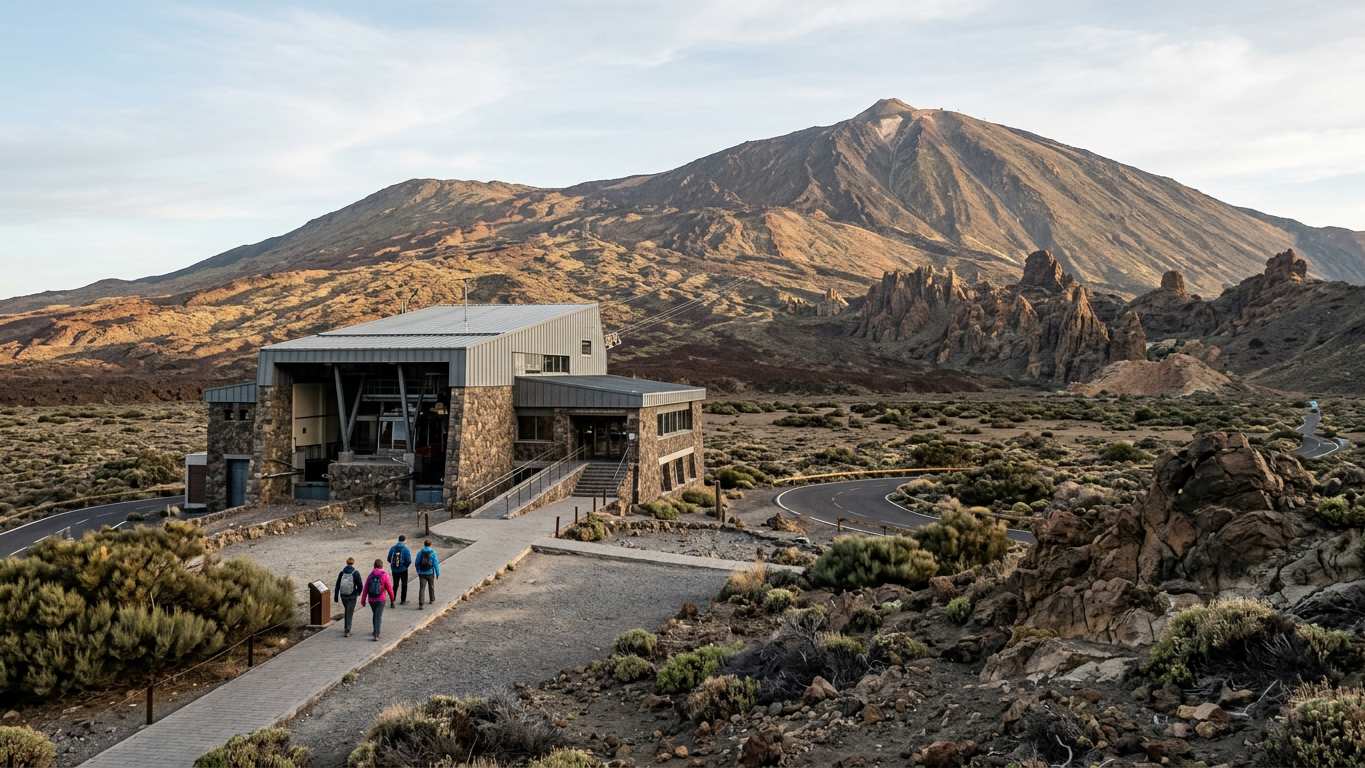
The main visitor centre, El Portillo, sits on the northeast edge of the caldera along TF-21. It houses exhibitions on the park's geology, flora and fauna, plus staff who can advise on trail conditions. A smaller information point operates near the Cañada Blanca coach park on TF-21, close to the Teide cable car base station.
Parking areas are signposted along all three main roads. The largest car parks lie near the Roques de García, the cable car and the Minas de San José viewpoint. Spaces fill quickly between 10:00 and 15:00 in summer and during weekends. Arriving before 09:30 or after 16:00 gives you a better chance of parking close to trailheads.
No cafés or restaurants operate within the park boundaries. The Parador hotel near the Roques de García serves meals to non-guests but closes outside peak season. Bring water and snacks for any walk, even short loops. The nearest petrol stations and supermarkets are in the coastal towns.
Book Your Teide Excursion
More on GetYourGuide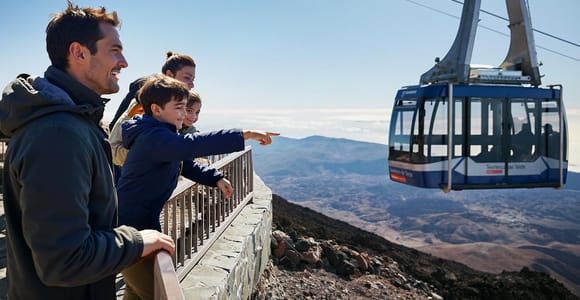 BestsellerDay tripTenerife: Mount Teide Tour with Cable Car Ticket & Transfer7 hours · ★ 4.3 (6 188 reviews)from €92See availability →
 Private tourFrom Santa Cruz : Visit Teide National Park (for cruise-ship passengers)4 hours · ★ 5.0 (2 reviews)from €175See availability →
 Guided tourSunset, Dinner, and Guided Stargazing on Mount Teide8 hoursfrom €99See availability →
Roques de García and Short Walking Trails
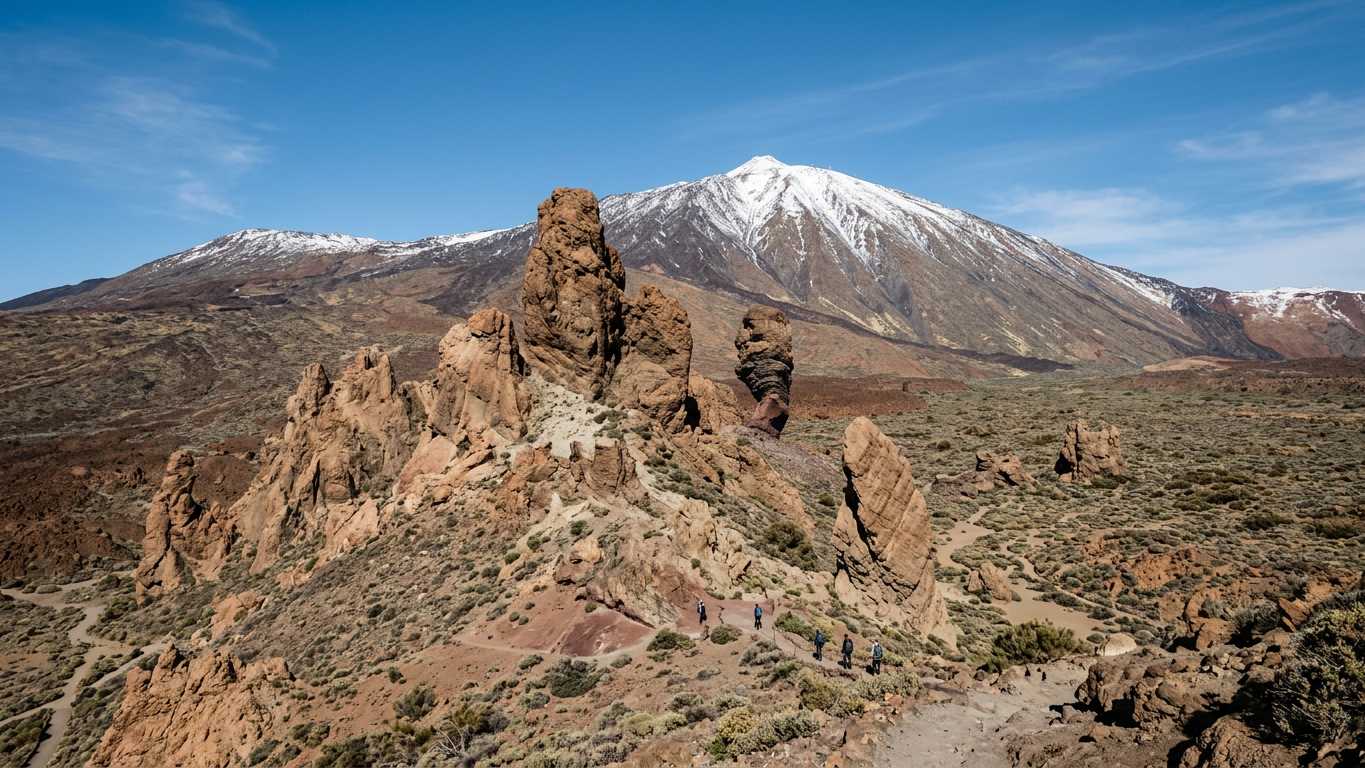
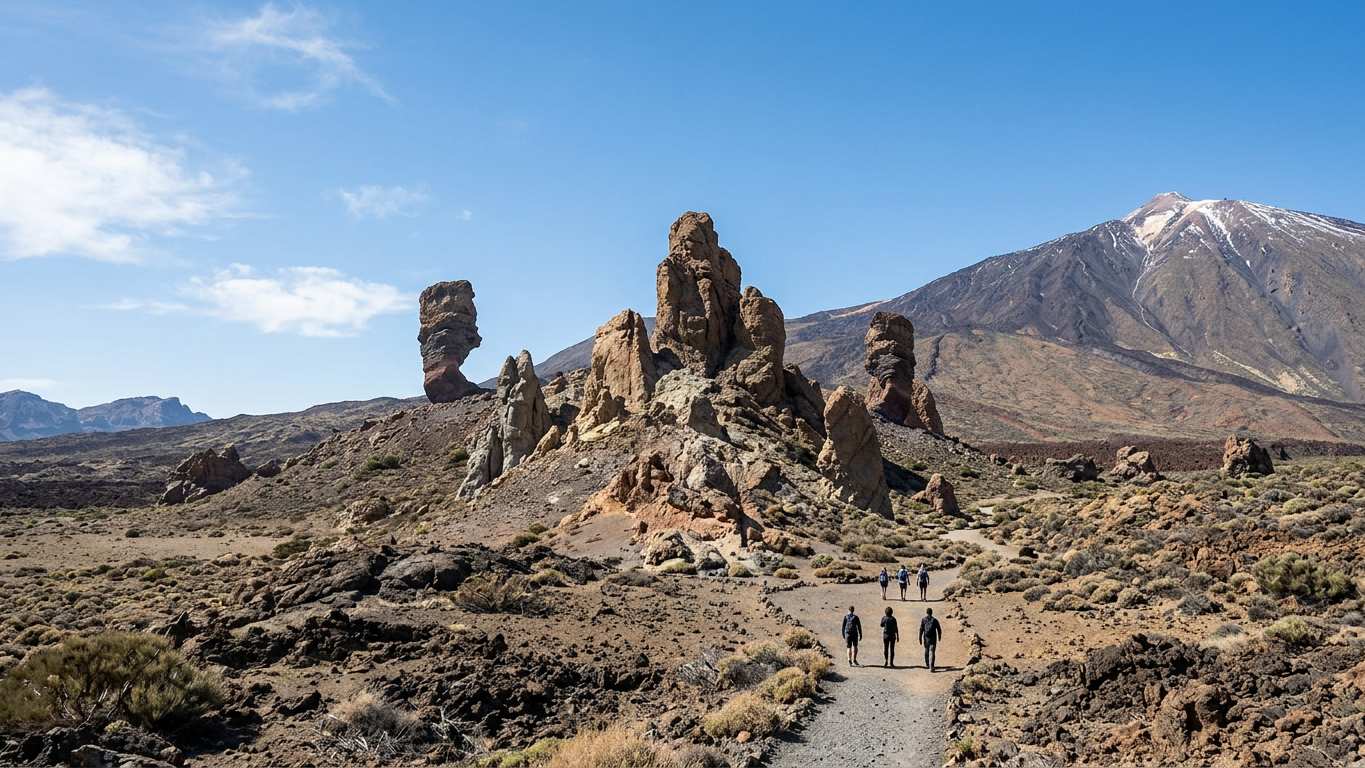
The Roques de García trail is the most popular short walk in the park. This 3.5-kilometre loop takes about 90 minutes at a gentle pace and circles a group of eroded rock pinnacles on the caldera floor. The path is well-maintained with minimal elevation change, suitable for families. Interpretive signs explain the volcanic processes that shaped the landscape.
The Mirador de La Ruleta viewpoint sits halfway around the loop, offering views across the caldera to the summit cone. The strange shapes of the roques result from different rates of erosion in layers of basalt and pumice. Early morning and late afternoon light enhances the colours in the rock.
Other short trails include the Sendero de los Roques de García variante (a shorter 1.2-kilometre option) and the Siete Cañadas path, which follows old drovers' routes across the caldera floor. None of these trails requires special equipment or permits, unlike the approach to the Mount Teide permit-controlled summit path.
Minas de San José and the Southern Viewpoints
The Minas de San José viewpoint lies on TF-38 near the southern boundary of the park. From this spot you look north across the caldera towards the main peak, with layers of ochre, rust and grey volcanic material stretching to the horizon. A small car park serves the viewpoint, and a short trail leads down into the pumice mines that once supplied material for construction across the island.
The drive along TF-38 from Chío climbs through pine forest before emerging onto the caldera rim. This route sees less traffic than TF-21 and offers a different perspective on the volcanic complex. Boca Tauce, where TF-38 meets TF-21, marks the southwestern gateway to the central caldera.
On clear days you can see the neighbouring islands of La Gomera, La Palma and Gran Canaria from the higher viewpoints. Visibility exceeds 100 kilometres when Atlantic weather systems move away, usually in summer and early autumn.
Flora, Fauna and Endemic Species
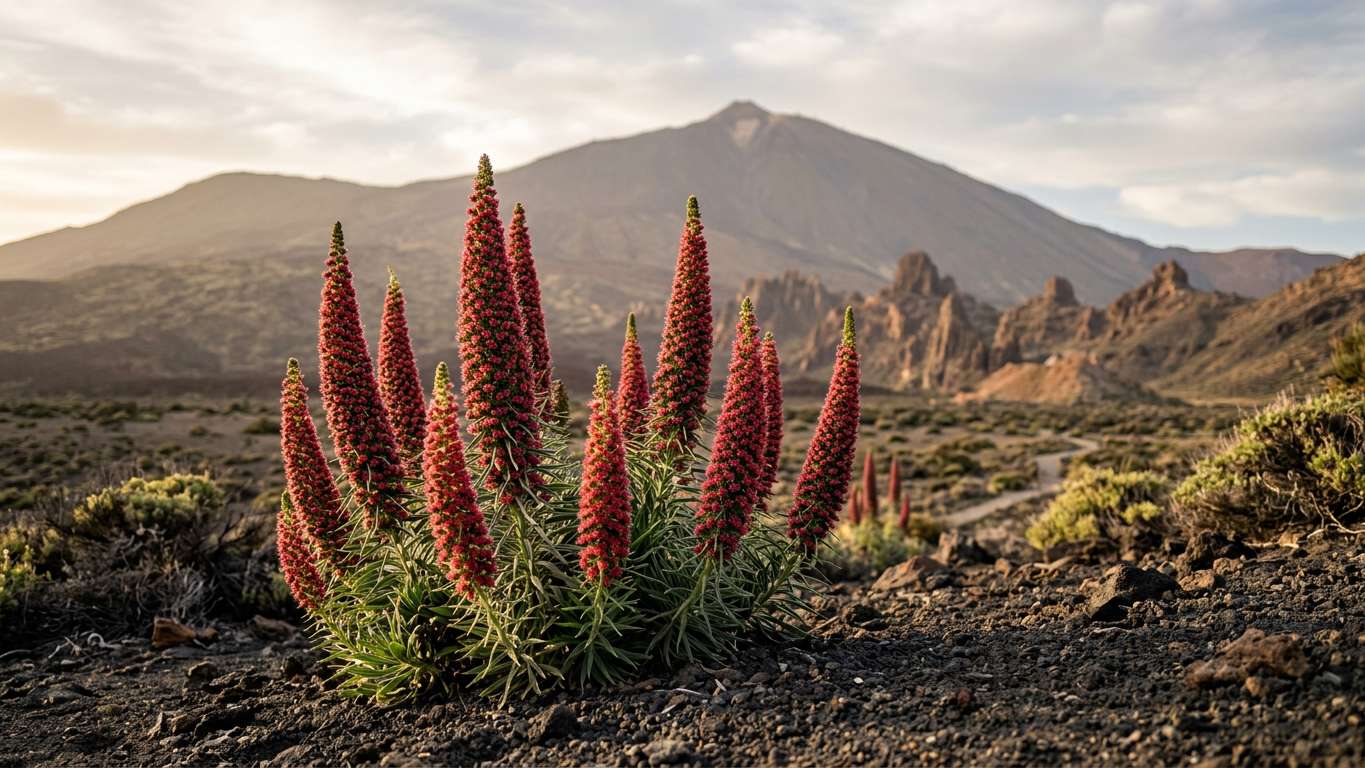
The park protects species found nowhere else on Earth. The Teide violet blooms on scree slopes above 2,500 metres, while the red tajinaste (Echium wildpretii) grows on the caldera floor, producing tall red flower spikes in late spring. The Canary pine dominates the forest zone below 2,000 metres, with individual trees sometimes surviving fires by regenerating from their thick bark.
Birdlife includes the Tenerife blue chaffinch, a subspecies restricted to the island's pine forests, and Berthelot's pipit, common on open ground near the trails. Lizards bask on rocks during the day, retreating into crevices when temperatures drop. Mammals are scarce; rabbits and Barbary ground squirrels, introduced centuries ago, are the species you might spot.
The park's designation as a protected area since 1954 has allowed these species to thrive despite increasing visitor numbers. Regulations prohibit removing plants, feeding animals or leaving designated paths in sensitive zones.
How Excursions Use Teide National Park
Guided excursions to the park typically depart from the southern resorts early in the morning. Most operators follow a standard route: pick-up from accommodation, a drive via TF-21 or TF-38, stops at viewpoints and the Roques de García, an optional Teide cable car tickets purchase, and return via a different road to show contrasting landscapes. Total duration runs to about seven or eight hours.
A Mount Teide excursion usually includes a guide who explains the geology and ecology during stops. Some trips combine the daytime visit with sunset viewing or Teide by night stargazing from a high-altitude platform. These longer tours return to the coast after dark, finishing around 22:00 or 23:00.
Budget tours use large coaches and make brief stops; mid-range options employ smaller minibuses with more time at each location; premium trips offer private vehicles and flexible itineraries. All types must follow park regulations, including staying on marked paths and respecting parking limits.
| Tour Type | Group Size | Duration | Cable Car | Stargazing |
|---|---|---|---|---|
| Budget coach | 40-55 passengers | 7-8 hours | Optional extra | Not included |
| Mid-range minibus | 12-20 passengers | 8-9 hours | Often included | Sometimes included |
| Premium private | 2-8 passengers | 6-10 hours (flexible) | Included or optional | Can be added |
Driving and Parking Practicalities
You can reach the park in a hire car from any resort on the island. From Costa Adeje or Los Cristianos, take the TF-1 motorway north to exit 28, then follow TF-21 via Vilaflor. This route climbs steadily through pine forest and takes about 50 minutes to the Roques de García car park. From Puerto de la Cruz, TF-21 heads south through La Orotava and ascends the northern slopes in about 45 minutes.
The roads are paved and well-maintained, but they wind through numerous hairpin bends. Keep speeds moderate, especially when tourist coaches occupy the opposite lane. Fuel stations are absent inside the park, so fill up on the coast. In winter, check road conditions before setting out; snow occasionally closes TF-21 and TF-24 above 2,000 metres for a few hours.
Free parking is available at all official car parks within the park. No tickets or permits are needed for parking itself, though the Teide cable car and summit paths have separate booking requirements. Spaces at the Roques de García and cable car fill first; alternative car parks lie at Boca Tauce and along TF-38 near the southern viewpoints.
If you prefer not to drive, consider booking an organised trip. Many excursions from Costa Adeje and excursions from Puerto de la Cruz include the national park as a full-day itinerary with hotel transfers.
Weather, Clothing and Altitude Considerations
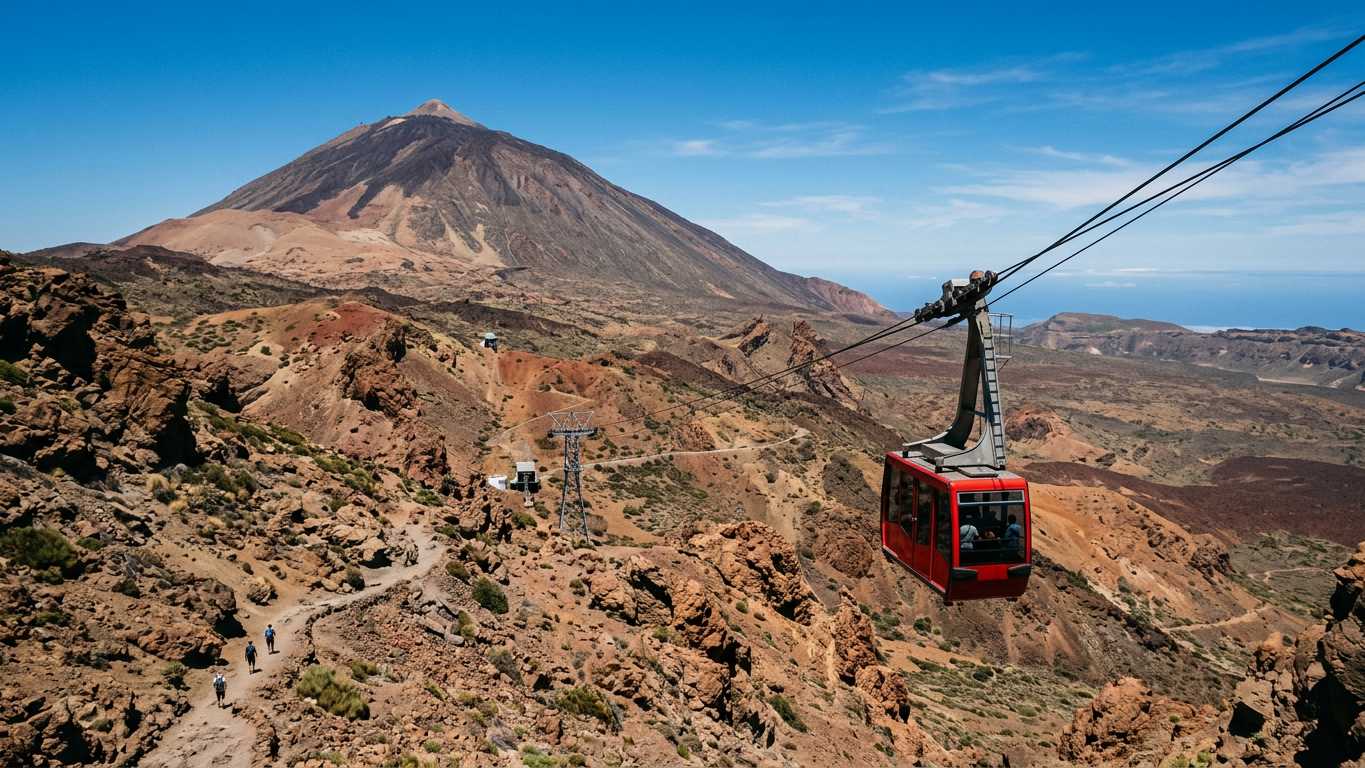
Temperatures at 2,000 metres are typically 10 to 15 degrees cooler than at sea level. Even on a warm summer day at the beach, you will need a fleece or jacket at the caldera. Wind chill can be significant, particularly near the cable car upper station at about 3,555 metres. Layered clothing allows you to adjust as you move between sun and shade or ascend in the cable car.
Sunburn risk is high due to thin atmosphere and strong UV radiation. Use high-factor sun cream on exposed skin and wear sunglasses. A hat protects your head during midday hours. The dry air can cause dehydration, so carry at least one litre of water per person for a two-hour visit.
Most visitors feel no ill effects from the altitude at caldera level, but a small percentage experience mild headache or breathlessness during exertion. Take your time on trails and rest if symptoms appear. The cable car reaches over 3,500 metres in minutes, which can trigger altitude sensitivity in susceptible individuals. If you plan to hike from the upper station, allow time to acclimatise before exertion.
Frequently asked questions
Do I need to book or pay to enter Teide National Park by car?
No, entry to the park is free and no advance booking is required for general access by car. You simply drive in on one of the public roads and park at designated car parks. Separate tickets or permits apply only for the cable car and the final summit path.
How long should I plan to spend in Teide National Park?
A visit to the main viewpoints and the Roques de García loop trail takes about three to four hours, including driving time within the park. Add another two hours if you ride the cable car, or a full day if you combine the park with stargazing or other activities.
Can I visit Teide National Park in winter and will there be snow?
Yes, the park is open year-round. Snow typically falls above 2,500 metres between November and March, occasionally dusting the caldera floor and closing roads for a few hours. Check the current status before you go, and bring warm clothing as temperatures can drop below freezing at altitude.
Is the Roques de García trail suitable for children and older visitors?
Yes, the 3.5-kilometre loop is mostly flat and paved, making it accessible for families with children and less mobile adults. Allow about 90 minutes to complete the circuit at a leisurely pace, with plenty of stops for photos and rest.
What time of day is best to visit Teide National Park to avoid crowds?
Arriving before 09:30 or after 16:00 gives you quieter trails and easier parking. Midday between 10:00 and 15:00 sees the highest visitor numbers, especially in summer and at weekends when both tour groups and independent travellers converge on the Roques de García and cable car areas.
Are there any restaurants or cafés inside Teide National Park?
The Parador hotel near the Roques de García serves meals to non-guests, but it may close outside peak season. Otherwise, no cafés or restaurants operate within the park, so bring your own food and water for the day.
Can I see La Gomera from Teide National Park?
Yes, on clear days you can see La Gomera, La Palma and Gran Canaria from the higher viewpoints and the caldera rim. Visibility is best in summer and early autumn when Atlantic weather systems move away, often exceeding 100 kilometres.
Do I need hiking boots for the trails in Teide National Park?
For the main Roques de García loop and other short caldera trails, sturdy trainers or walking shoes with good grip are sufficient. Hiking boots are only necessary if you plan to tackle longer, rougher trails or ascend from the cable car upper station towards the summit.