Why Tenerife Suits Whale Watching So Well
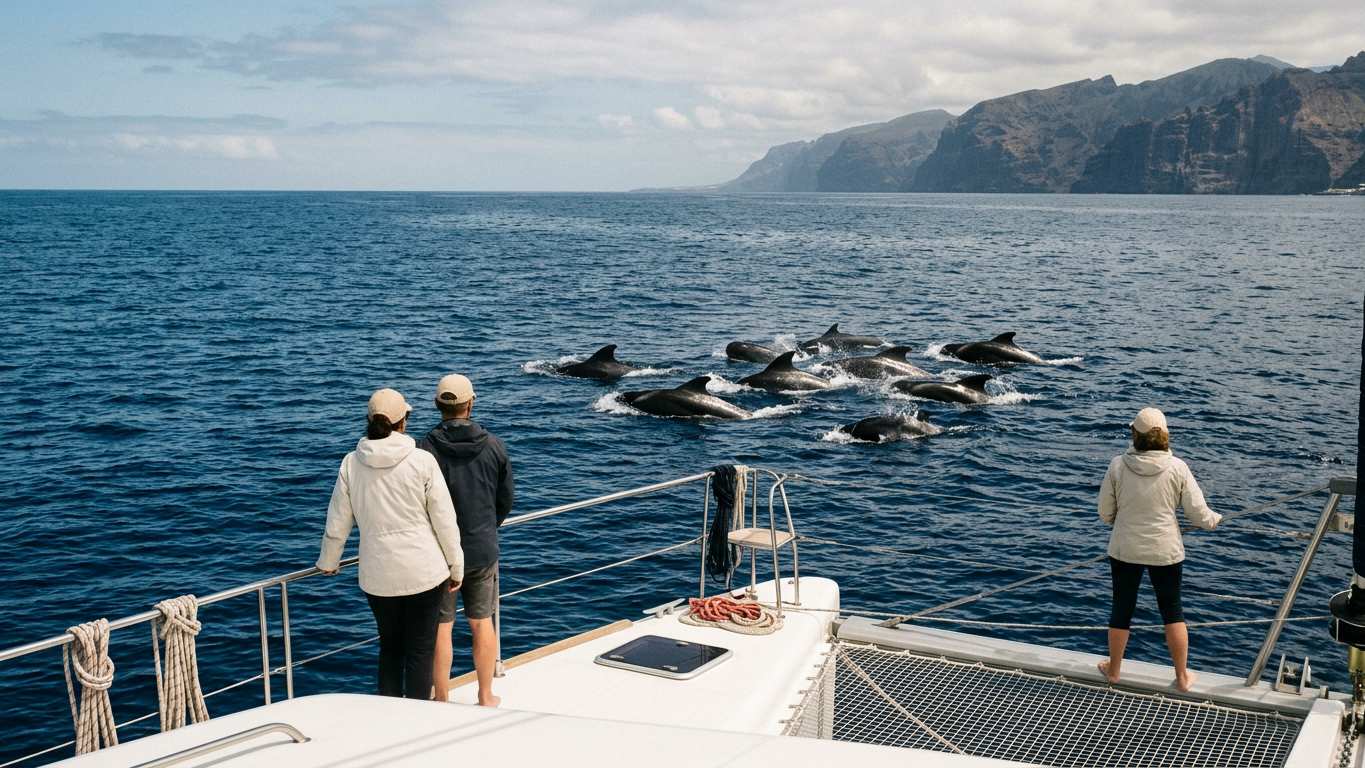
The deep channel separating Tenerife from La Gomera reaches more than 1,000 metres depth just a few kilometres offshore. This underwater canyon supports a year-round population of short-finned pilot whales, making pilot whales in Tenerife visible on around 90 per cent of boat trips. Bottlenose dolphins also live permanently in these waters, and several other species pass through seasonally.
The resident pilot whale population numbers between 200 and 250 individuals. These animals feed on deep-water squid and typically rest near the surface during daylight hours, which is when most boat trips operate. The calm waters along the southwest coast provide excellent viewing conditions most of the year, with relatively low wave heights even during winter months.
Tenerife was designated as a Whale Heritage Site in 2021, recognising both the importance of the local cetacean population and the island's commitment to responsible watching practices. More than 20 boats now hold the Blue Boat flag, awarded to operators who follow strict approach distances and time limits to minimise disturbance.
Departure Harbours and Journey Times
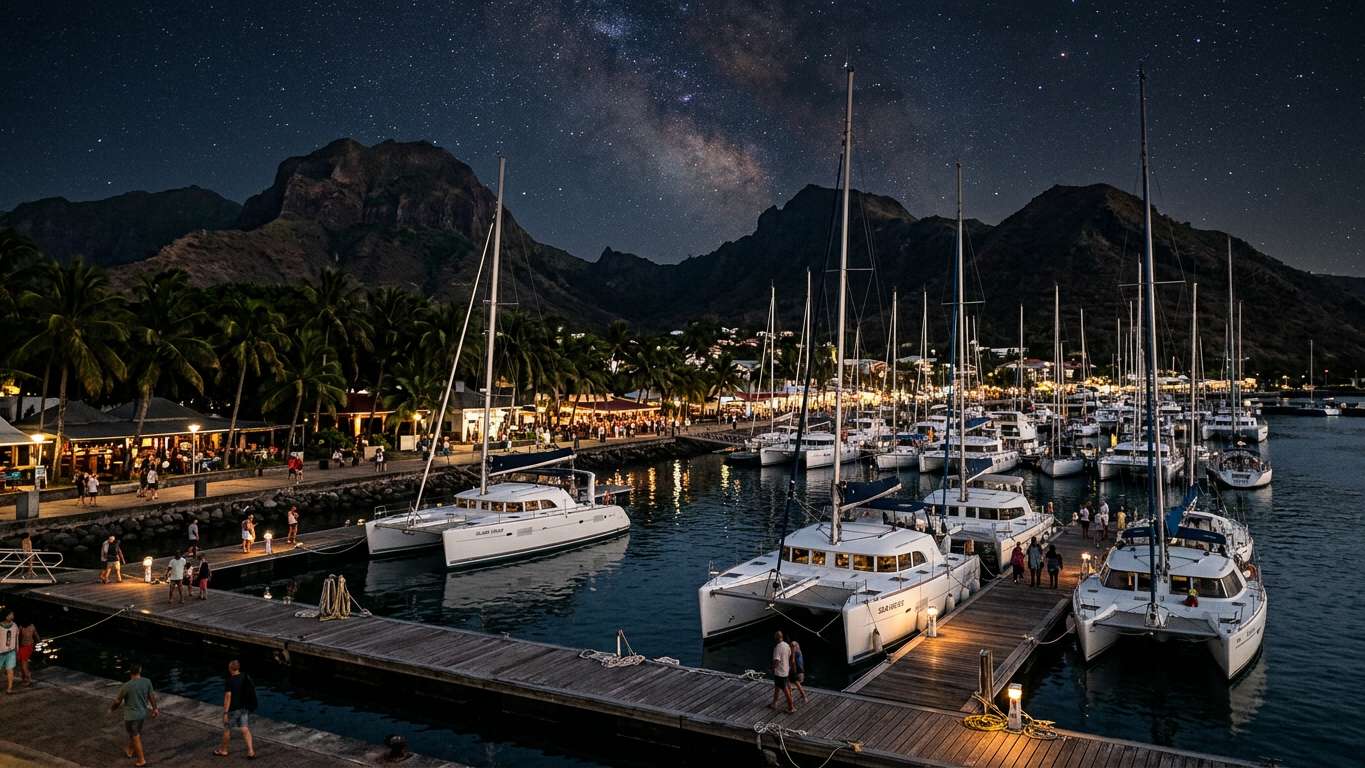
Three harbours along the southwest coast serve as departure points for whale watching in Tenerife. Los Cristianos harbour lies closest to the main whale watching zone, with journey times of about 15 to 20 minutes to reach the areas where pilot whales are most frequently sighted. Puerto Colon in Costa Adeje sits approximately 10 minutes north by car from Los Cristianos, and boats from this harbour typically take 20 to 30 minutes to reach the whale zone. Los Gigantes harbour on the western coast requires about 30 to 40 minutes sailing time, though boat trips from Los Gigantes often combine whale watching with views of the dramatic coastal cliffs.
Most trips from Los Cristianos and Puerto Colon focus the majority of time on whale and dolphin watching, as the shorter journey allows more time with the animals. Trips from Los Gigantes usually allocate more time to coastal sightseeing, with whale watching forming part of a longer itinerary that includes the cliffs and sometimes swimming stops.
If you're staying in the south, you'll find the widest choice of boats and departure times from Los Cristianos harbour, while those based in Costa Adeje may prefer the slightly shorter transfer time to Puerto Colon. Your accommodation location often determines the most practical harbour choice, as most operators include pickup from hotels in their area.
Book Whale Watching Trips in Tenerife
More on GetYourGuide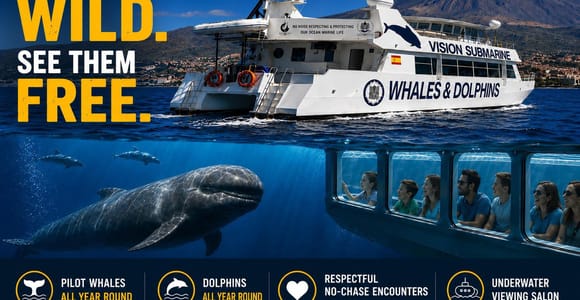 BestsellerWater activityTenerife: Eco No-Chase Respectful Whale & Dolphin Encounter1.5 hours · ★ 4.6 (15 591 reviews)from €28See availability →
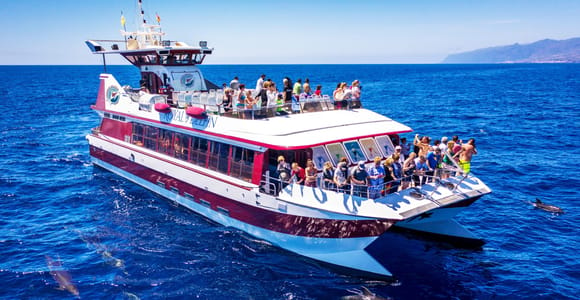 BestsellerWater activityCosta Adeje: Whale & Dolphin Submarine Vision Mini Cruise2 hours · ★ 4.5 (2 360 reviews)from €33See availability →
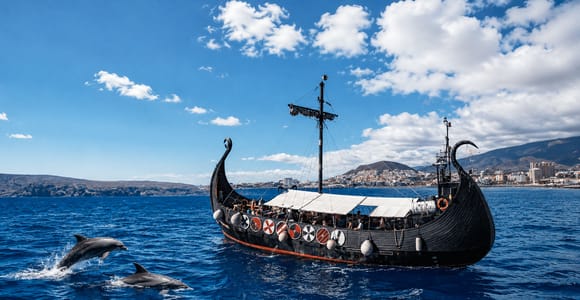 BestsellerWater activityTenerife: Whale and Dolphin Watching Cruise with Swim Stop2 hours · ★ 4.7 (3 758 reviews)from €28See availability →
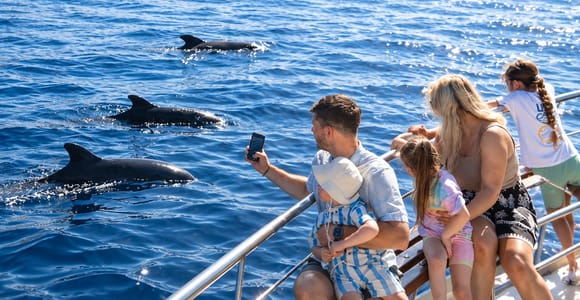 Water activityTenerife: Whale & Dolphin Watching Cruise with Swim Stop110 minutes · ★ 4.7 (4 303 reviews)from €28See availability →
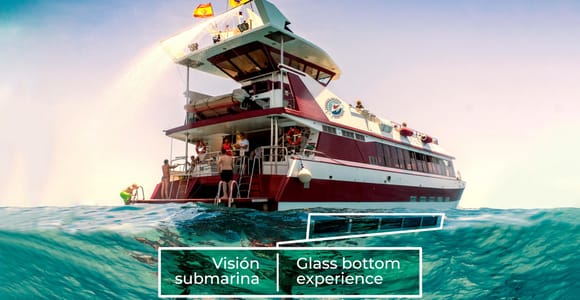 BestsellerDay tripADEJE: Whale and Dolphin Watching Cruise with Lunch and Swim3 - 4.5 hours · ★ 4.5 (1 788 reviews)from €50See availability →
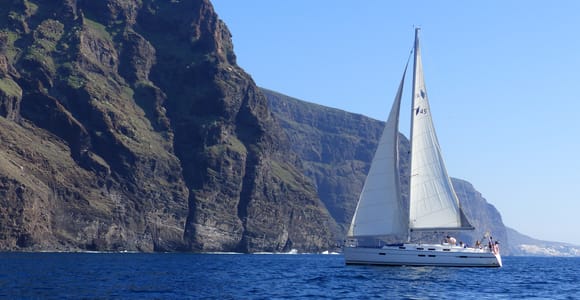 BestsellerWater activityTenerife: Los Gigantes Whale Watching Cruise by Sailboat3 hours · ★ 4.9 (2 291 reviews)from €75See availability →
Types of Boat and What to Expect
Large catamarans carrying 80 to 150 passengers represent the most budget-friendly option. These stable vessels cause minimal seasickness and typically include a bar, toilets and shaded deck areas. The size means less flexibility to follow animals, but the multi-deck layout ensures most passengers get reasonable views. Journey time focuses roughly half on travelling to the whale zone and half on watching.
Mid-size catamarans and motor boats with 20 to 50 passengers offer a middle ground. These vessels can manoeuvre more easily and often provide closer encounters. Many include glass panels in the hull, allowing you to see dolphins swimming beneath the boat when conditions permit. The smaller passenger number means less crowding at the rails.
Small eco boats carrying 10 to 15 passengers represent the premium category. These vessels can approach more quietly, adjust position quickly as animals move, and guarantee every passenger a front-row position. Journey times remain similar, but the experience feels more personal and responsive. Most small boat operators hold Blue Boat certification and emphasise education alongside watching.
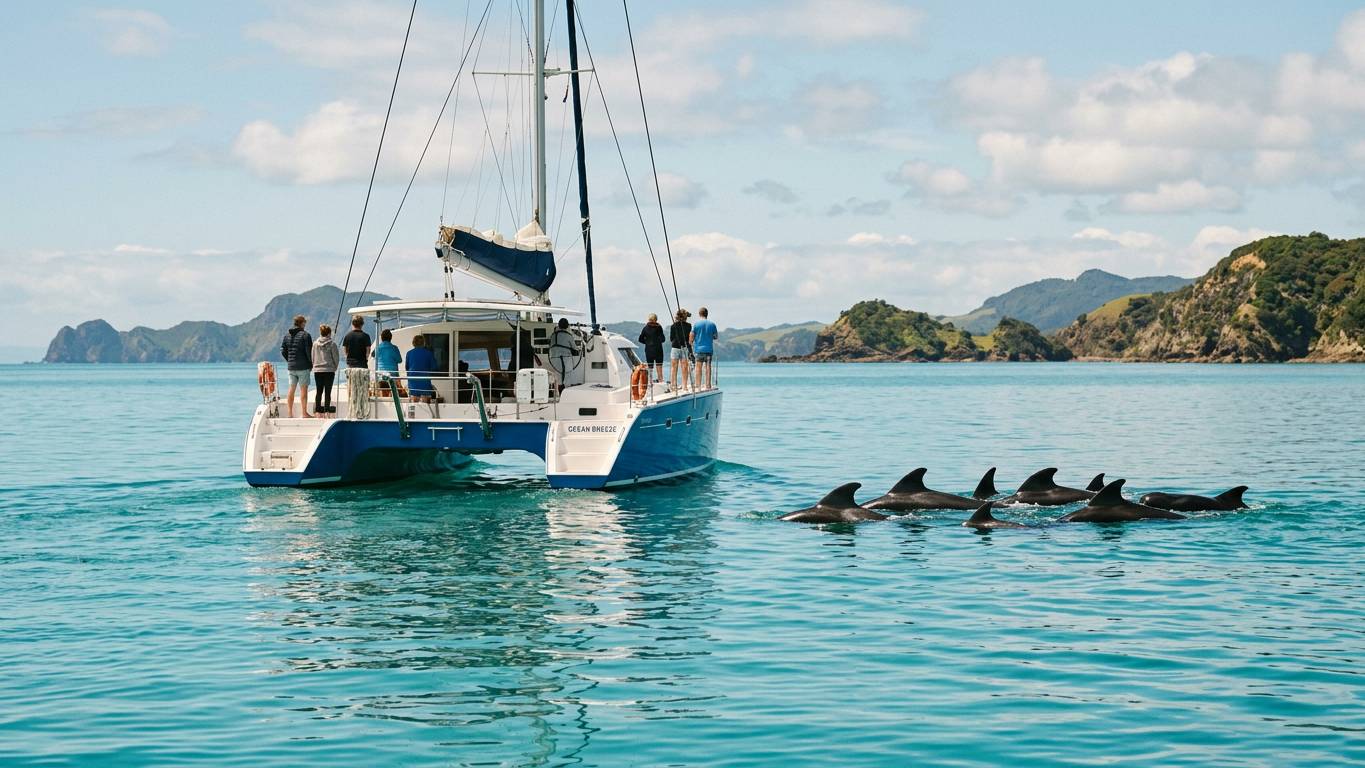
Some sailing catamarans combine whale watching with a quieter, wind-powered experience. These trips take longer overall, as sailing speed varies with wind conditions, and usually include swimming or snorkelling stops after the whale watching portion.
Blue Boat Certification and Responsible Watching
The Blue Boat flag identifies operators who have committed to responsible whale watching practices verified through annual inspection. Certified boats maintain minimum approach distances of 60 metres from pilot whales and 80 metres from other baleen whales, limit time with any single group to 30 minutes, approach animals from the side rather than head-on, and carry trained guides who provide educational commentary.
The certification also requires boats to report sightings to a central database used for population monitoring, maintain engines in good condition to reduce underwater noise, and limit maximum speed in whale zones. Around 25 boats currently hold Blue Boat status, and you can usually identify them by the blue flag displayed on deck and mentioned in booking descriptions.
Choosing a Blue Boat trip supports more sustainable tourism and typically results in calmer encounters. Boats that rush between groups or approach too closely often prompt animals to alter their behaviour or dive, reducing viewing quality for everyone. The distance regulations still allow excellent views, particularly of pilot whales, which often show curiosity towards stationary boats and may approach voluntarily.
Trip Duration and What's Included
| Duration | Typical Route | Included | Best For |
|---|---|---|---|
| 2 hours | Direct to whale zone and return | Whale watching only, drinks usually extra | Budget travellers, those prone to seasickness |
| 2.5-3 hours | Whale zone plus brief coastal viewing | Drinks often included, light snacks on some boats | Most visitors seeking good value |
| 3-4 hours | Extended whale watching plus swimming stop or Los Gigantes cliffs | Drinks and snacks, sometimes lunch | Those wanting a fuller day on the water |
| 4-5 hours | Whale watching, coastal sightseeing, swimming, sometimes La Gomera views | Full meal and drinks | Full-day experience seekers |
Two to three hour trips represent the most popular choice, providing enough time for good whale encounters without fatigue. Longer trips often appeal to those combining other boat trip activities with whale watching, though the actual time spent with cetaceans remains similar across all durations.
Most operators include hotel pickup and return within specific zones, typically covering the main resort areas along the southwest coast. Check pickup arrangements when booking, as some budget boats require you to meet at the harbour directly.
Time of Year and Typical Weather
Pilot whales and bottlenose dolphins live in Tenerife's waters throughout the year, making any month suitable for whale watching. Success rates remain consistently high across all seasons, with pilot whales sighted on approximately 85 to 95 per cent of trips year-round. Dolphin sightings show slightly more seasonal variation, with bottlenose dolphins most predictably seen from spring through autumn.
Weather conditions along the southwest coast stay relatively stable, with calmer seas from May through September and slightly rougher conditions possible from November through March. Winter months occasionally bring Atlantic swells that can make trips uncomfortable for those prone to seasickness, though cancellations remain rare. Summer offers the warmest temperatures and calmest seas, but also brings more tourists and fuller boats.
Morning departures often encounter calmer conditions than afternoon trips, as the trade winds typically strengthen through the day. Sea conditions matter more than season for comfort, particularly if you're concerned about seasickness or travelling with young children.
Seasickness and Practical Tips
Seasickness affects some passengers even in relatively calm conditions. If you're concerned, choose a large catamaran rather than a smaller boat, as the twin-hull design provides much greater stability. Book a morning departure when seas are typically calmer, and consider taking seasickness medication about one hour before departure. Tablets containing meclizine or dimenhydrinate work for most people, though they can cause drowsiness.
Natural remedies include ginger tablets taken the night before and morning of your trip, focusing on the horizon rather than looking down at the water, and staying on deck in fresh air rather than going below. Sitting near the centre of the boat reduces motion compared to positions at the bow or stern. Eating a light meal before departure helps, as travelling on an empty stomach often worsens nausea.
Wear layers, as conditions on the water feel cooler than on shore, particularly during morning departures or winter months. Bring sun protection including high-factor sunscreen, sunglasses and a hat, as reflection from the water intensifies UV exposure. Most boats have some shaded areas, but you'll want to be on deck during whale encounters.
Cameras with optical zoom perform better than phones for capturing distant animals. Pilot whales typically remain at the surface, making them relatively easy to photograph, whilst dolphins move faster and require quicker reactions. Many boats forbid drones, and flying them near marine mammals is illegal under wildlife protection regulations.
Travelling with Children
Most operators welcome children on whale watching trips, though age restrictions vary by boat type. Large catamarans typically accept infants, whilst some small eco boats set minimum ages of four to six years, as young children may find longer periods sitting still difficult. Check specific age policies when booking, as some operators offer reduced rates for children whilst others charge full price above certain ages.
Shorter two-hour trips suit young children better than extended journeys. The excitement of seeing animals helps maintain interest, but long periods of scanning empty water between sightings can bore younger passengers. Bringing snacks and drinks helps, though most boats sell refreshments on board. Some families find morning departures work better with children's energy levels and nap schedules.
Life jackets are mandatory for children on most boats and provided on board. Toilet facilities exist on all larger vessels, though small eco boats may lack them, which matters when travelling with toilet-training age children. The calm waters and high success rate for animal sightings make Tenerife particularly suitable for a first whale watching experience with children, compared to destinations requiring longer journeys in rougher seas.
Many families combine whale watching with other activities, and you can explore other excursions from the same area that suit different ages and interests.
Frequently asked questions
What is the success rate for seeing whales on a whale watching trip in Tenerife and what happens if we don't see any?
Pilot whales are sighted on approximately 85 to 95 per cent of trips year-round, making Tenerife one of the most reliable whale watching destinations in Europe. The resident population lives permanently in the strait between Tenerife and La Gomera, so sightings depend on locating the groups rather than seasonal migration. Most operators offer a free return trip if no cetaceans are seen at all, though this is extremely rare.
Which harbour should I choose for whale watching in Tenerife if I'm staying in Costa Adeje or Los Cristianos?
Los Cristianos harbour offers the shortest journey time to the whale watching zone at about 15 to 20 minutes, leaving more time with the animals. Puerto Colon in Costa Adeje lies about 10 minutes north and takes 20 to 30 minutes to reach the whale zone. Both harbours provide similar overall experiences, so choosing based on your accommodation location and included hotel pickup makes most sense.
How close do the boats get to the pilot whales and dolphins during whale watching trips in Tenerife?
Blue Boat certified operators maintain a minimum distance of 60 metres from pilot whales and 80 metres from other whale species, as required by regulations designed to prevent disturbance. At this distance you can clearly see the animals' size, shape and behaviour, particularly pilot whales which can reach five to six metres in length. Dolphins and whales sometimes approach boats voluntarily out of curiosity, and operators are allowed to remain stationary if animals choose to come closer.
What's the difference between a budget whale watching trip and a premium eco boat experience in Tenerife?
Budget trips typically use large catamarans carrying 80 to 150 passengers, offering stable platforms and lower prices but less manoeuvrability and more crowding. Premium eco boats carry 10 to 15 passengers, allowing closer positioning, quicker responses to animal movements, and guaranteed viewing positions for everyone. Both boat types follow the same approach regulations and see animals with similar frequency, but the experience feels more personal and flexible on smaller vessels.
Are whale watching trips in Tenerife suitable for people who get seasick easily and what can I do to prevent it?
Large catamarans provide the most stable platform and significantly reduce motion compared to single-hull boats, making them the best choice if you're prone to seasickness. Book a morning departure when seas are typically calmer, take seasickness medication about an hour before boarding, stay on deck in fresh air, and focus on the horizon rather than looking down. The relatively short journey times and generally calm conditions along the southwest coast mean seasickness affects fewer passengers than in many other whale watching destinations.
What time of year is best for whale watching in Tenerife and are there months when you see more species?
Pilot whales and bottlenose dolphins live in Tenerife's waters year-round, so every month offers high success rates for sightings. You won't see dramatically more animals in any particular season, though some migratory species like tropical whales or orcas pass through occasionally in spring and autumn. Weather matters more than season, with May through September typically providing the calmest seas and most comfortable conditions, whilst winter months can bring larger Atlantic swells.
How long does a typical whale watching trip last in Tenerife and how much time do you actually spend watching the animals?
Most popular trips last two to three hours total, with roughly 15 to 30 minutes travelling to the whale zone, 60 to 90 minutes in the area where animals are most likely, and 15 to 30 minutes returning. Actual time watching animals varies depending on how quickly they're located and how many groups are encountered, but typically ranges from 30 to 60 minutes of active viewing. Regulations limit time with any single group to 30 minutes to prevent disturbance.
Can you swim with dolphins or whales during whale watching trips in Tenerife or is that not allowed?
Swimming with wild cetaceans is not permitted in Tenerife's waters under marine wildlife protection regulations, and responsible operators do not offer this activity. Some longer boat trips include swimming or snorkelling stops in coastal areas after the whale watching portion ends, but these are separate from the animal encounters. The regulations protect both the animals from disturbance and visitors from potential risks, as even friendly species can inadvertently injure swimmers.