Resident Species: Short-Finned Pilot Whales and Bottlenose Dolphins
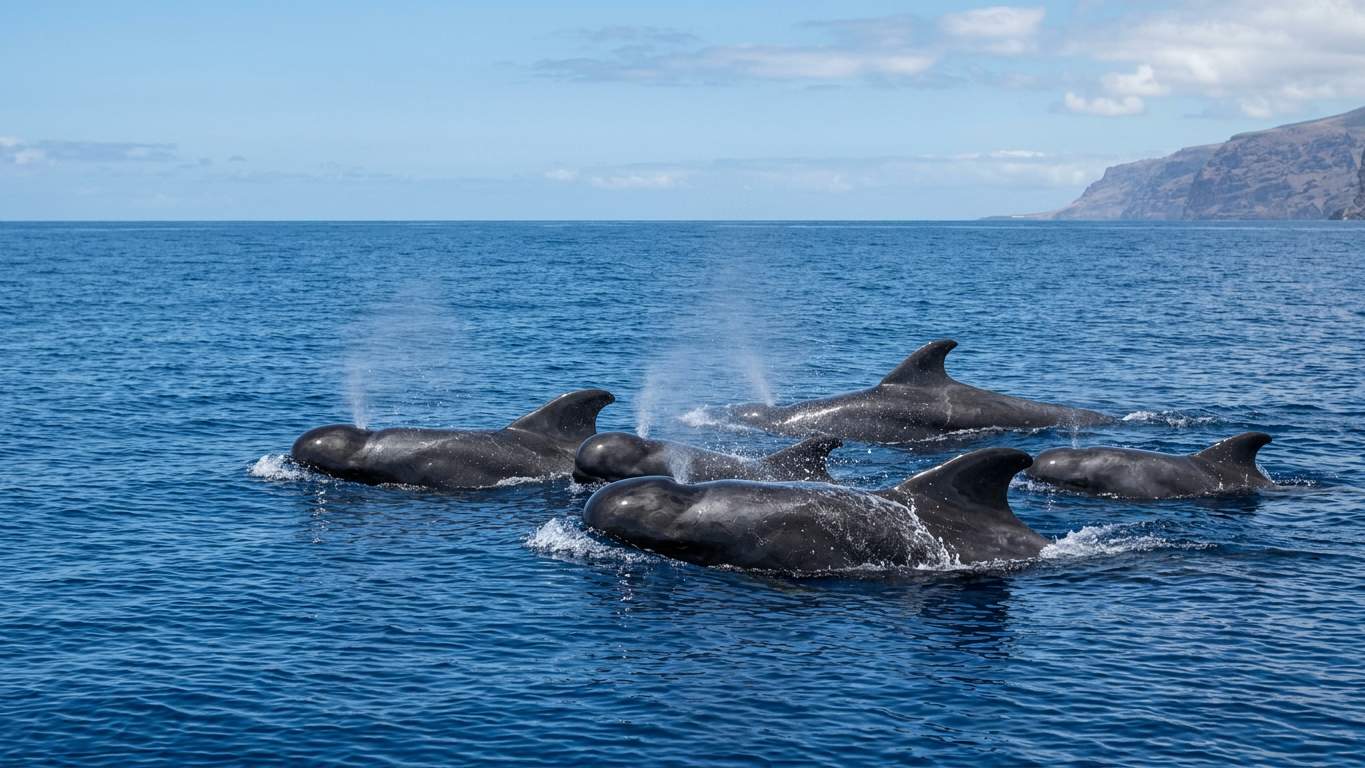
Short-finned pilot whales live permanently in the waters off Tenerife's south-west coast. These cetaceans, which can reach up to five metres in length and weigh around 1,000 kilograms, travel in stable family groups of 20 to 60 individuals. The whales feed mainly on squid at depths of 300 to 600 metres, usually hunting at night.
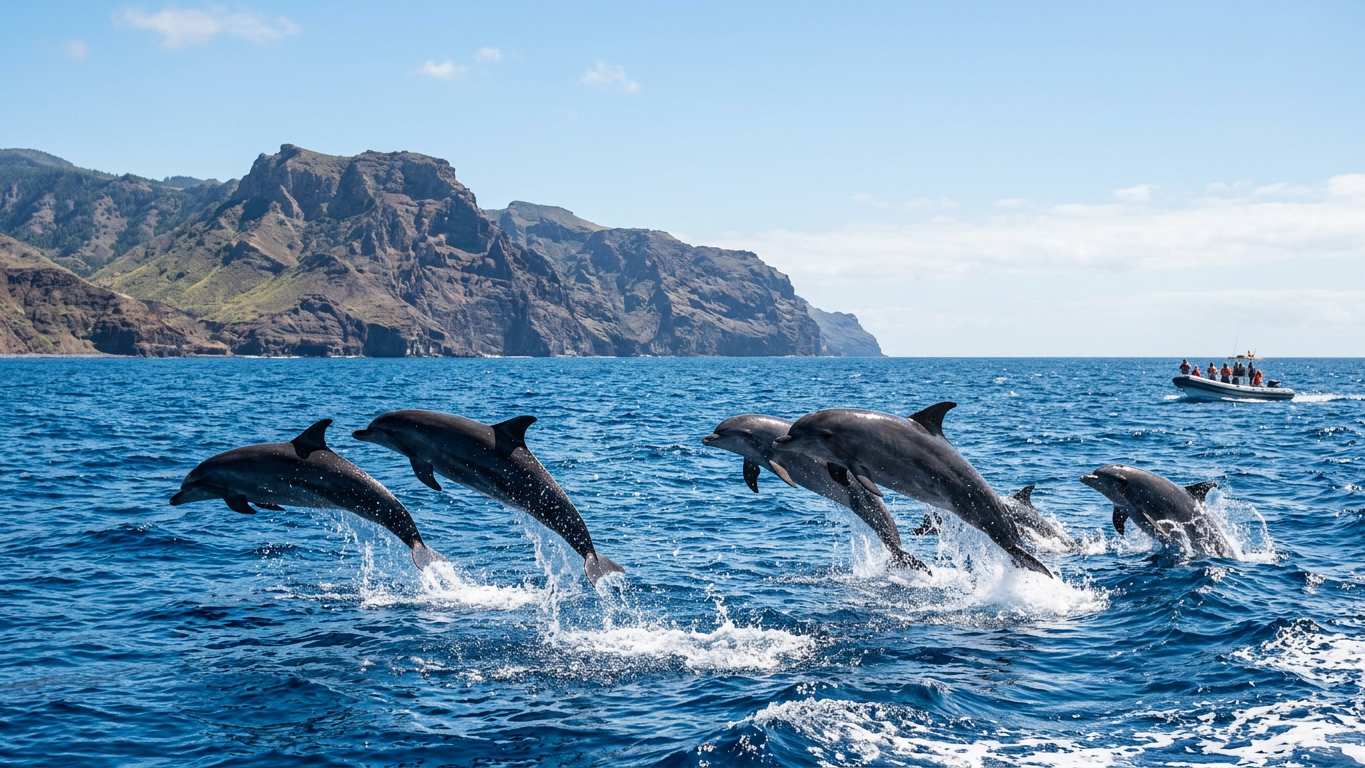
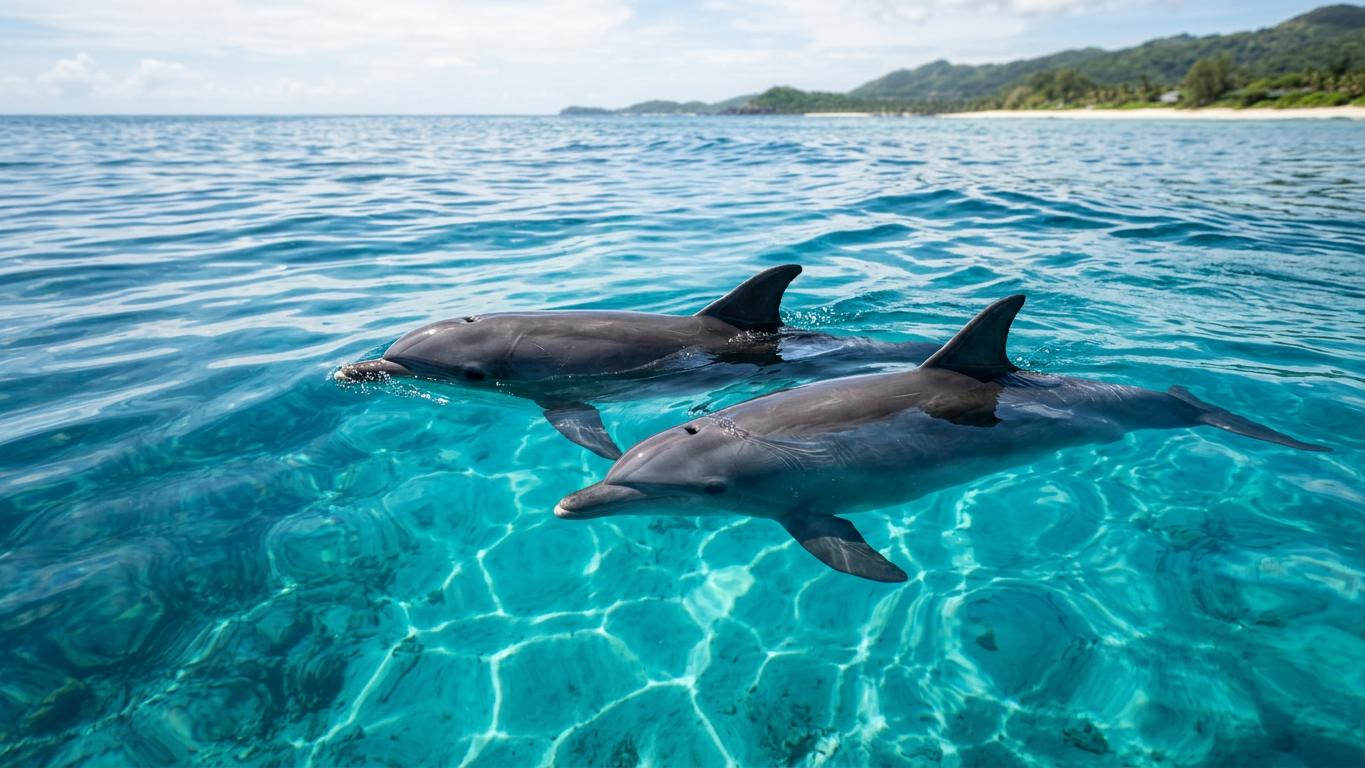
Bottlenose dolphins also form a year-round population in the same area. These dolphins typically travel in smaller groups of 10 to 30 animals, though occasionally several groups gather together. Adults measure three to four metres and weigh between 200 and 400 kilograms. They feed on fish and squid in shallower waters than pilot whales, often foraging during daylight hours.
The permanent presence of both species means you can expect sightings on whale watching excursions from Tenerife throughout the year. Success rates on dedicated trips typically exceed 90 per cent, though sightings are never guaranteed in wildlife watching.
Where Pilot Whales Tenerife Live: The Protected Marine Area
The coastal waters between Teno Point and Rasca Point, extending about six nautical miles offshore, form a designated Zona Especial de Conservación. This protected zone covers roughly 250 square kilometres and includes the channel between Tenerife and La Gomera.
Pilot whales concentrate in areas where the seabed drops steeply from about 200 metres to over 1,000 metres. These submarine canyons create upwelling currents that support the squid populations the whales depend on. The whales spend most daylight hours resting near the surface in tight groups, often within sight of land.
Most whale watching trips from Los Cristianos and dolphin watching from Costa Adeje head directly to this zone, which lies about 15 to 30 minutes by boat from the main harbours. Operators know the areas where the resident groups typically rest during morning and early afternoon.
Book Whale and Dolphin Watching Trips
More on GetYourGuide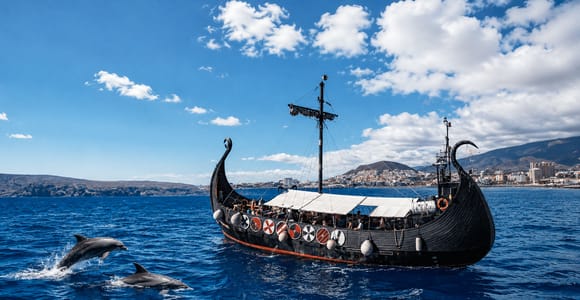 BestsellerWater activityTenerife: Whale and Dolphin Watching Cruise with Swim Stop2 hours · ★ 4.7 (3 758 reviews)from €28See availability →
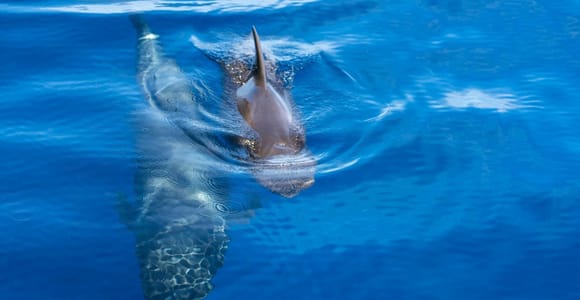 Water activityTenerife: Costa Adeje Whale and Dolphin Watching Cruise2 hours · ★ 4.4 (6 reviews)from €30See availability →
 BestsellerWater activityTenerife: Eco No-Chase Respectful Whale & Dolphin Encounter1.5 hours · ★ 4.6 (15 591 reviews)from €28See availability →
Seasonal Visitors: Which Species Appear at Different Times
Bryde's whales pass through Tenerife waters mainly from April to September. These baleen whales, measuring 12 to 15 metres, feed on small schooling fish rather than squid. Sightings occur less frequently than pilot whales, but experienced skippers know to look for surface feeding behaviour during the warmer months.
Common dolphins and Atlantic spotted dolphins visit the area seasonally. Common dolphins appear more often from late winter through spring, travelling in energetic groups of 50 to 200 individuals. Atlantic spotted dolphins, identified by their distinctive markings, visit most commonly from May through October. Both species sometimes bow-ride alongside boats.
Sperm whales pass through the deep channel occasionally, particularly from March to May. These deep-diving whales spend long periods underwater and surface unpredictably. Rough-toothed dolphins and striped dolphins also appear occasionally but without clear seasonal patterns.
Orcas visit Tenerife waters rarely, with most sightings occurring between March and May during their migration routes. A pod may appear every few years, but you should not expect to see them on a standard trip.
Time of Year and Time of Day
You can see resident pilot whales and bottlenose dolphins year-round, with no significant difference in sighting rates between seasons. Summer months from June to September offer calmer seas and better weather, which makes for more comfortable trips. Winter and spring increase your chances of encountering seasonal visitors like Bryde's whales and sperm whales.
Morning departures between 10:00 and 12:00 generally provide the best conditions. Pilot whales rest near the surface during late morning and early afternoon, making them easier to locate and observe. The sea tends to be calmer in the morning before afternoon winds develop, particularly from May through August.
Afternoon trips can still be productive, but sea conditions often deteriorate as the day progresses. The wind typically picks up after 14:00 along the south-west coast, creating choppier waters. If you're sensitive to motion, choose a morning departure.
Sea Conditions and Visibility
The south-west coast benefits from shelter by Tenerife's mountains, which block the prevailing north-east trade winds. This protection creates relatively calm conditions year-round compared to the north coast. Summer months see the flattest seas, with wave heights typically below one metre in the morning.
Winter months from November through March bring more variable conditions. Atlantic swells can reach two to three metres, particularly during low-pressure systems. Operators monitor forecasts carefully and may cancel trips if conditions exceed safe limits for whale watching.
Water clarity in the channel ranges from moderate to good, typically allowing visibility of three to ten metres below the surface. You'll see the whales and dolphins most clearly when they surface alongside the boat or when calm conditions let you observe them just below the waterline.
How Responsible Boats Operate in the Protected Zone
Regulations in the marine reserve require boats to maintain specific distances and behaviours around cetaceans. Vessels must approach slowly from the side or rear, never head-on, and stop engines at 60 metres distance. A maximum of three boats may observe the same group simultaneously, each for no longer than 30 minutes.
Boats displaying a yellow flag have earned special permits recognising their commitment to responsible practices. These operators train their crew in cetacean biology and behaviour, maintain strict distance protocols, and contribute to scientific monitoring. Most established whale-watching companies hold this certification.
Responsible operators never chase or attempt to position boats directly in front of moving whales. They wait for the animals to surface naturally and adjust position gently based on the direction the group is travelling. If pilot whales are resting in a tight group, boats observe from a respectful distance without approaching too closely.
Some operators provide hydrophones so you can hear the whales' clicks and whistles underwater. This adds an educational dimension without disturbing the animals. Guides explain the behaviour you're observing and answer questions about the species' biology and conservation status.
What to Expect During a Whale-Watching Trip
Most dedicated whale-watching trips last two to three hours. Boats typically spend 15 to 25 minutes travelling to the main sighting area, then search for resting groups of pilot whales. Once located, you'll observe the whales for the permitted 30-minute period, though you may encounter several different groups during a trip.
Pilot whales often rest motionless at the surface for several minutes between shallow dives. You'll see their rounded heads and prominent dorsal fins, typically dark grey to black in colour. Juveniles sometimes surface more actively near adults. The whales occasionally spy-hop, lifting their heads vertically above water, apparently observing the boat.
Bottlenose dolphins behave more actively, often approaching boats out of curiosity. They may bow-ride, swim alongside at speed, or perform leaps and flips. Calves often stay close to their mothers, and you'll sometimes see the whole group synchronising their movements.
The experience differs significantly depending on the animals' behaviour on any given day. Sometimes pilot whales rest quietly with minimal surface activity. Other times they become more active, with younger animals playing at the surface. This natural variation is part of ethical wildlife watching.
Choosing Between Different Boat Trips
Many boat trips around Tenerife include whale watching as part of longer excursions that also visit coastal features or offer swimming stops. Dedicated whale-watching trips focus solely on observing cetaceans and typically use smaller, more manoeuvrable vessels.
| Trip Type | Duration | Focus | Typical Capacity |
|---|---|---|---|
| Dedicated whale watching | 2-3 hours | Cetacean observation only | 12-50 passengers |
| Combined coastal cruise | 3-5 hours | Whales plus swimming, cliffs, lunch | 50-200 passengers |
| Small zodiac or rib | 2 hours | Close encounters, fast positioning | 6-12 passengers |
| Sailing catamaran | 3-4 hours | Whales, swimming, quieter approach | 30-80 passengers |
Smaller boats offer more personalised attention and can position more precisely, but may feel less stable in choppy conditions. Larger vessels provide more facilities like toilets and shade, but carry more passengers. Catamarans provide stable platforms and usually include food and drinks in the price.
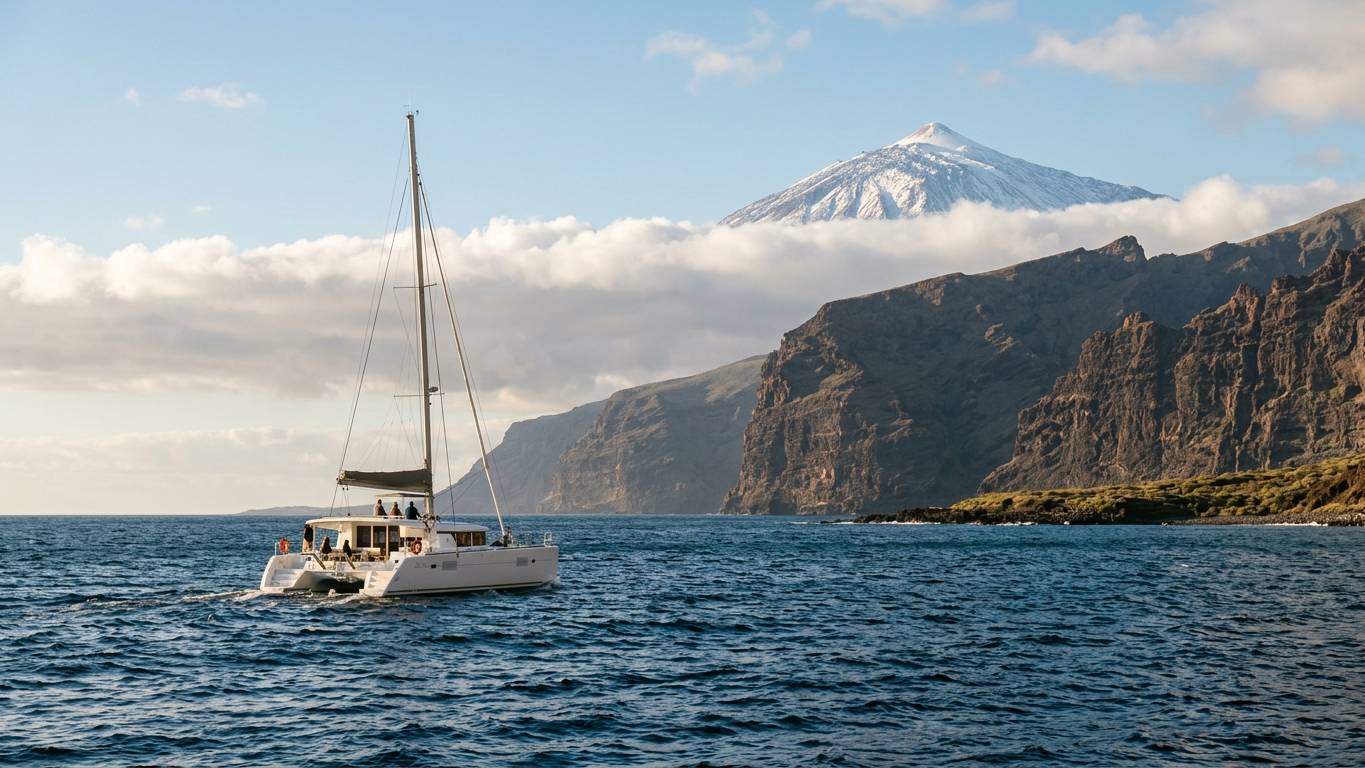
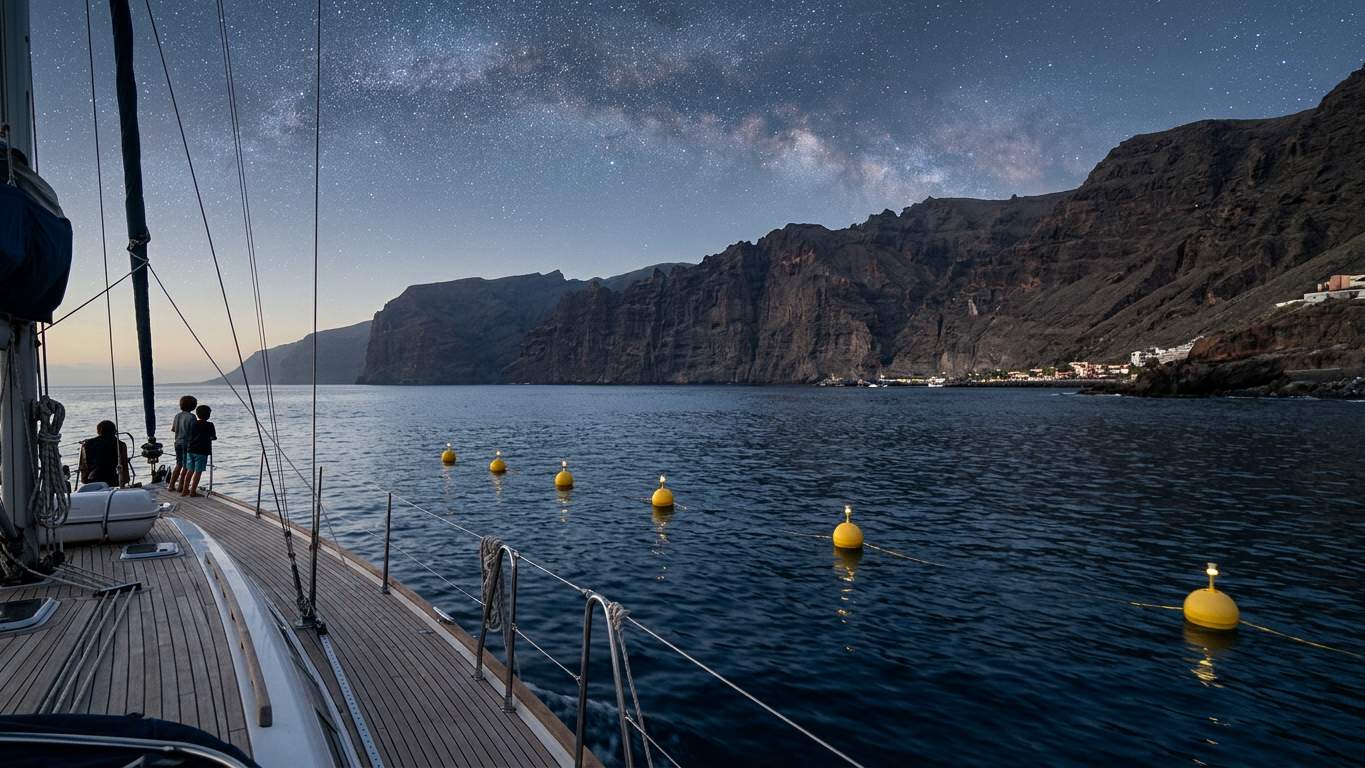
Some trips combine whale watching with visits to Los Gigantes and its dramatic cliffs, adding coastal scenery to the wildlife experience. These longer excursions suit families or those who want more variety during a half-day trip.
Frequently asked questions
Can you see pilot whales off Tenerife all year round or only in certain months?
Short-finned pilot whales live permanently in the waters off Tenerife's south-west coast, so you can see them throughout the year with no seasonal variation. The resident population does not migrate, unlike many whale species in other parts of the world. Success rates on dedicated whale-watching trips typically exceed 90 per cent in all seasons.
What's the difference between pilot whales and bottlenose dolphins in Tenerife waters?
Pilot whales are much larger, reaching up to five metres and 1,000 kilograms, while bottlenose dolphins measure three to four metres and weigh 200 to 400 kilograms. Pilot whales have a distinctive rounded bulbous head and travel in larger, more stable family groups of 20 to 60 individuals. Bottlenose dolphins have the familiar beak-like snout and behave more actively, often approaching boats and bow-riding.
How close do whale-watching boats get to pilot whales in Tenerife?
Regulations in the protected marine area require boats to stop at 60 metres distance and wait for the whales to surface naturally. Boats must never chase or position directly in front of moving groups. Sometimes curious pilot whales or bottlenose dolphins approach closer to stationary boats of their own accord, but responsible operators never force closer encounters.
Is it better to go whale watching from Los Cristianos or Costa Adeje in Tenerife?
Both harbours provide excellent access to the main whale-watching area, which lies about 15 to 30 minutes offshore. Trips from Los Cristianos and Costa Adeje visit the same protected zone where pilot whales and dolphins concentrate. Your choice should depend on which resort you're staying in and the specific boat or operator rather than the departure port.
What other whale and dolphin species can you see off Tenerife besides pilot whales?
Bottlenose dolphins live year-round alongside pilot whales. Seasonal visitors include Bryde's whales (April to September), common dolphins (late winter through spring), Atlantic spotted dolphins (May to October), and sperm whales (mainly March to May). Orcas pass through occasionally, with most sightings between March and May, but encounters are rare.
What time of day is best for seeing pilot whales off the coast of Tenerife?
Morning departures between 10:00 and 12:00 generally offer the best combination of calm seas and whale behaviour. Pilot whales rest near the surface during late morning and early afternoon, making them easier to locate and observe. Afternoon winds often pick up along the south-west coast, creating choppier conditions.
Are there any months when you're more likely to see rare species like orcas or sperm whales in Tenerife?
Sperm whales pass through most often from March to May, though sightings remain unpredictable on any given trip. Orcas also appear most frequently during these same spring months but visit only rarely, perhaps once every few years. You should not book a trip expecting to see these species, as pilot whales and bottlenose dolphins are the only reliably present cetaceans.
Do whale-watching boats in Tenerife guarantee sightings or offer refunds if you don't see any whales?
Most operators achieve sighting rates above 90 per cent for pilot whales and bottlenose dolphins, but no responsible company can guarantee wildlife encounters. Some operators offer a free repeat trip if you don't see cetaceans, though policies vary. Check the specific terms when booking, and remember that ethical wildlife watching always involves some uncertainty.