What Happens on a Teide by Night Tour
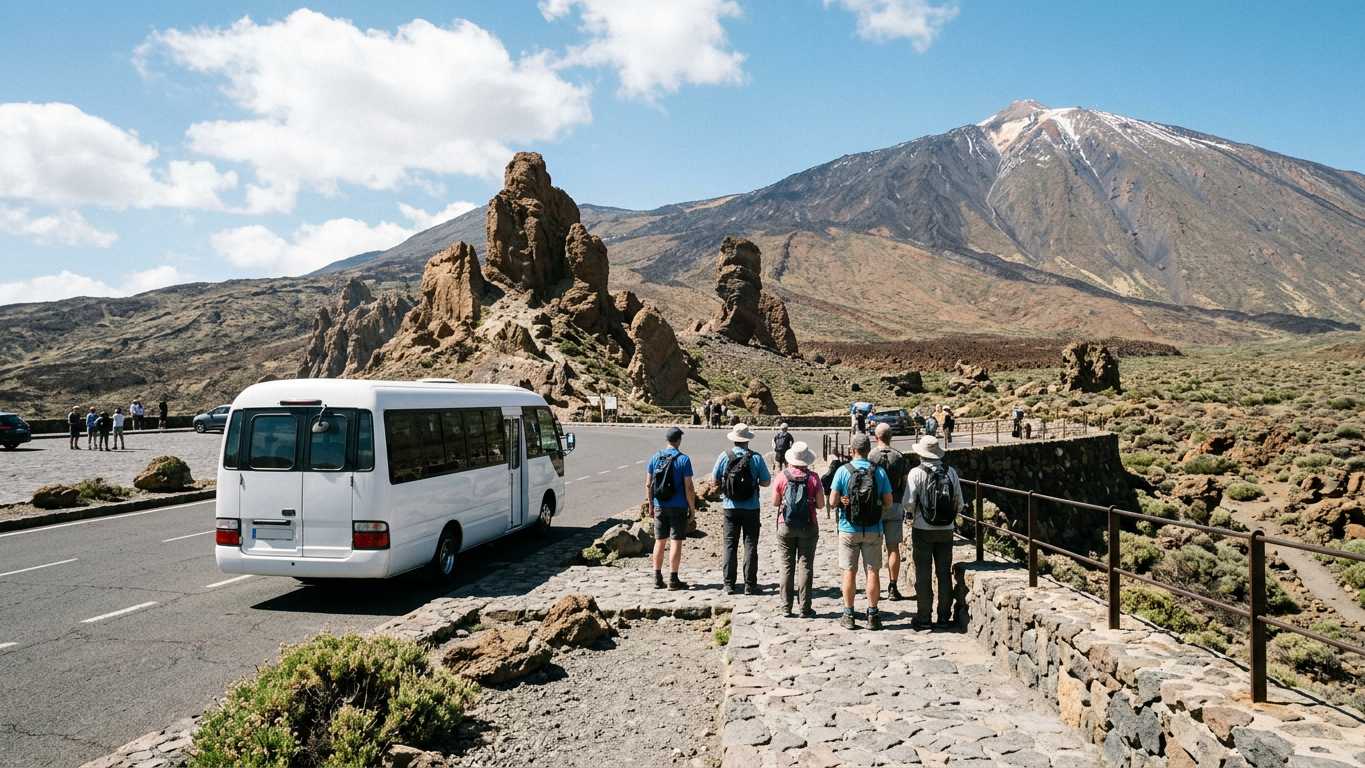
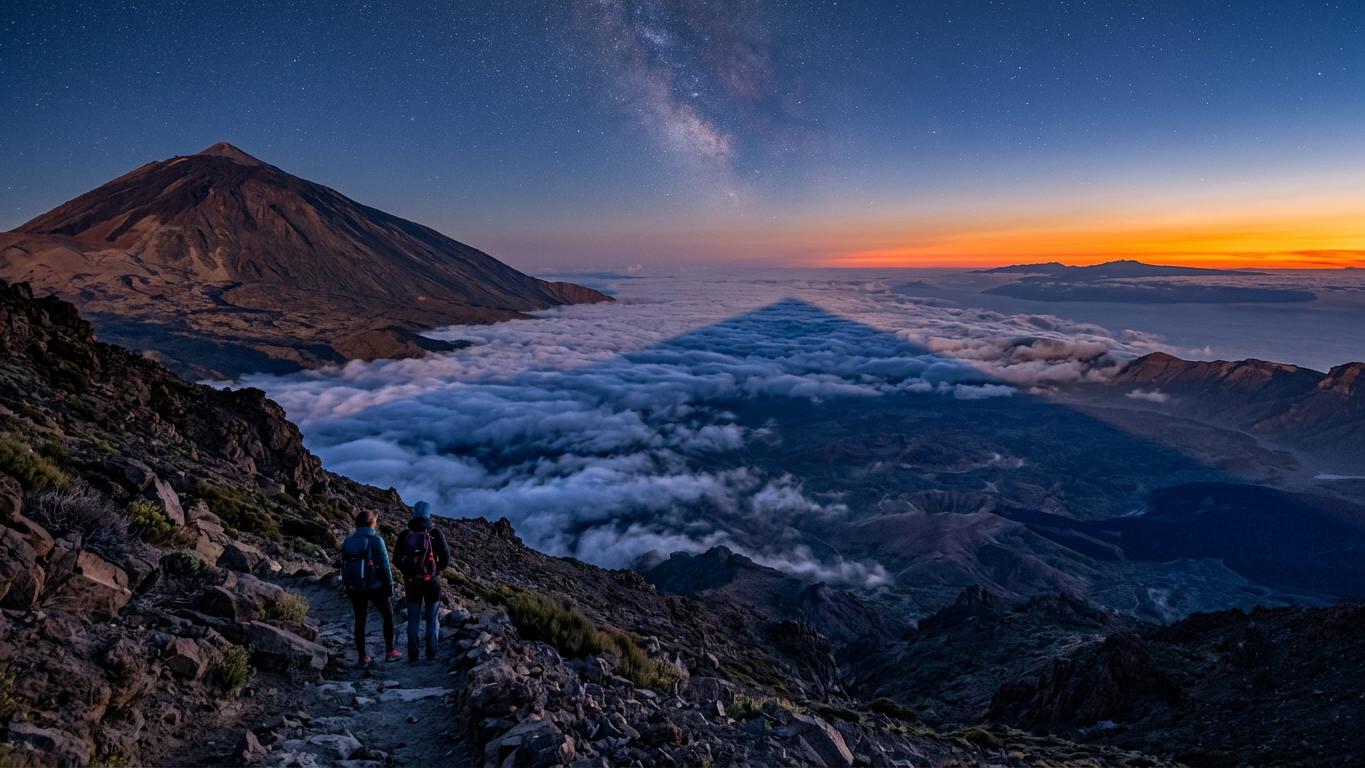
Most operators collect passengers from hotels along the south and southwest coast in the late afternoon, driving up through five climate zones to reach a viewpoint around 2,000 to 2,200 metres. You watch the sunset from a location chosen for its clear western horizon, often with views across the sea of clouds that frequently forms below the inversion layer.
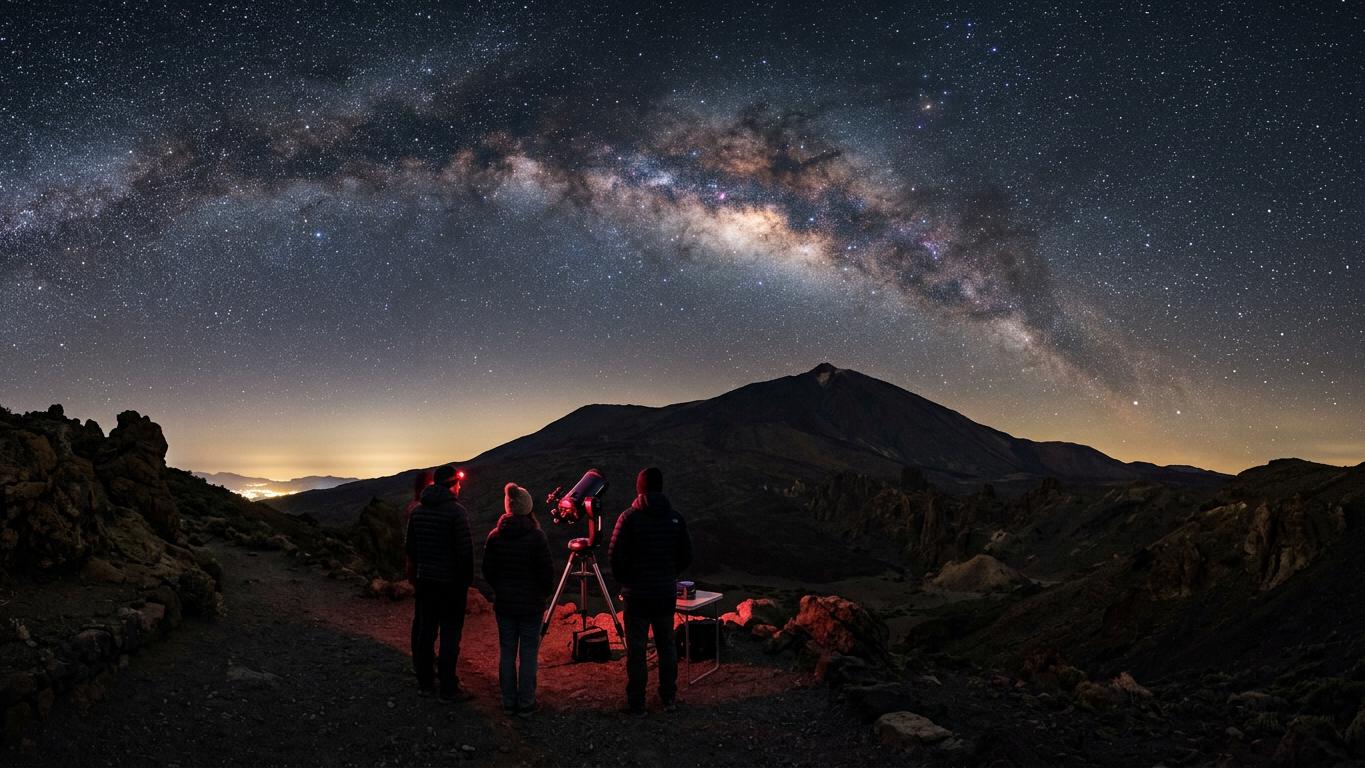
After sunset, the group moves to a darker spot away from any remaining light. A stargazing guide sets up telescopes and laser pointers to identify constellations, planets and deep-sky objects visible that night. Sessions typically last 45 minutes to an hour, depending on cloud cover and group size. The entire trip takes about six to seven hours, returning to your accommodation around midnight.
Some itineraries include a brief stop at a lower altitude for a simple meal or snack, though this varies by operator. The focus remains on the astronomical experience rather than dining.
Starlight Reserve Status and Sky Quality
The Starlight Foundation certified Teide National Park as a Starlight Reserve in 2013, recognising both the exceptional quality of its night sky and the commitment to protecting it from light pollution. The reserve covers the entire national park, which sits well above the temperature inversion that traps haze and urban glow below.
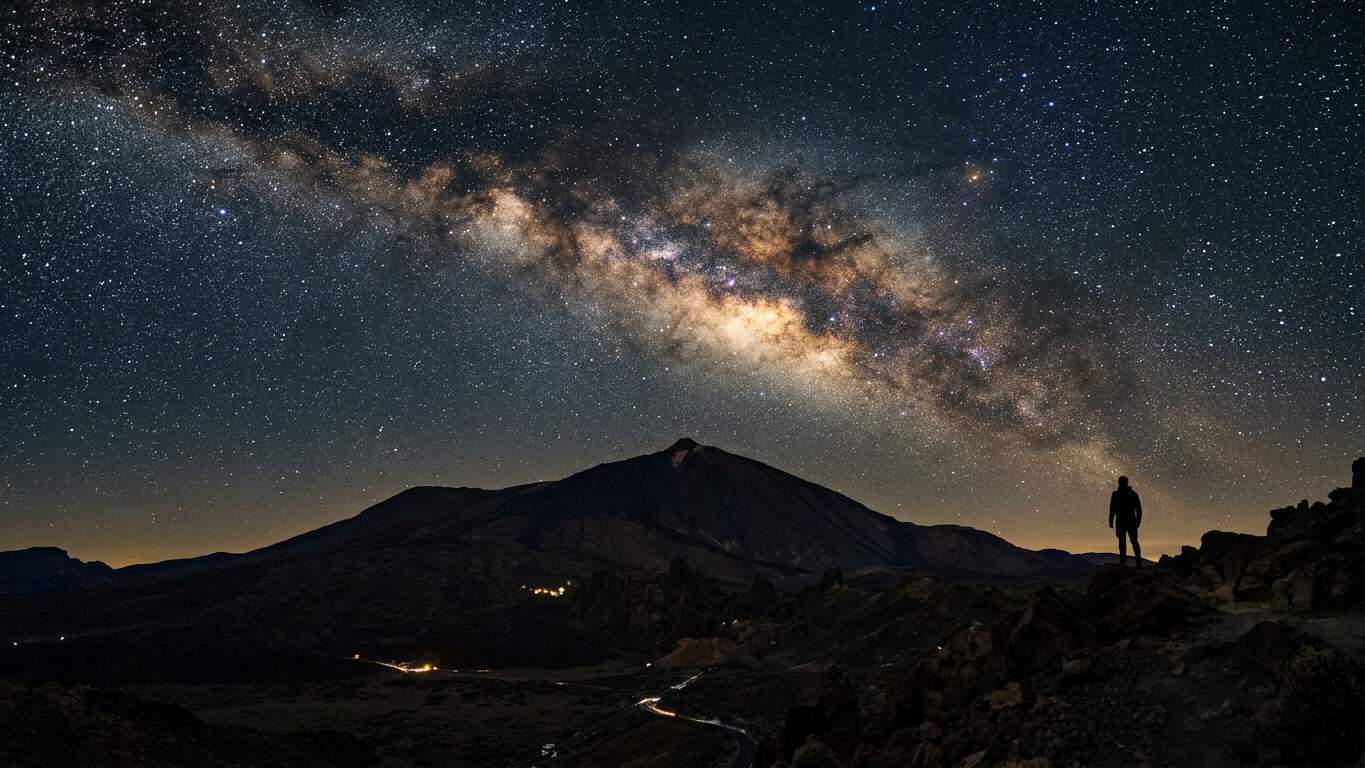
At this altitude, atmospheric interference drops significantly. On clear nights you can see the Milky Way as a bright band across the sky, along with planets, star clusters and nebulae that remain invisible from sea level. The dry climate and stable air further improve viewing conditions.
The same qualities that make Teide National Park a UNESCO World Heritage Site for its geology also protect its darkness. Strict regulations limit artificial lighting within park boundaries, and the nearest towns lie far enough away that their glow stays below the horizon.
Book Your Teide Stargazing Experience
More on GetYourGuide Guided tourTeide National Park: Sunset & Expert-Led Stargazing Tour3.5 - 8 hours · ★ 4.5 (2 541 reviews)from €55See availability →
 Day tripTenerife: Sunset and Stargazing at Teide National Park3 - 5 hours · ★ 4.7 (3 747 reviews)from €35See availability →
 Day tripTenerife: Teide National Park Sunset & Stargazing Tour3 - 6.5 hours · ★ 4.2 (4 670 reviews)from €40See availability →
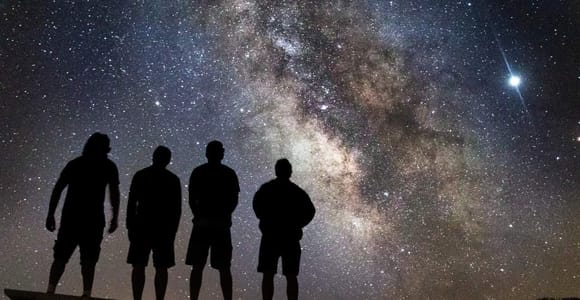 Guided tourTenerife: Teide Sunset & Stargazing Small-Group Minivan Tour3 - 4.5 hours · ★ 4.5 (32 reviews)from €40See availability →
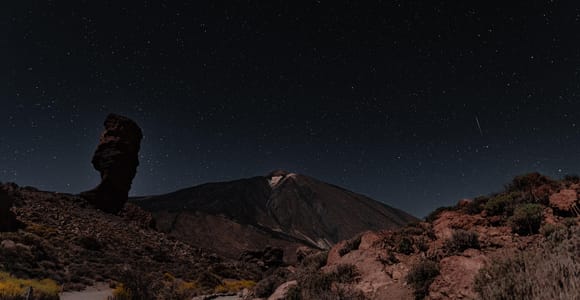 BestsellerGuided tourTeide: Guided Sunset & Stargazing Tour by Night with Dinner9 hours · ★ 4.7 (1 559 reviews)from €89See availability →
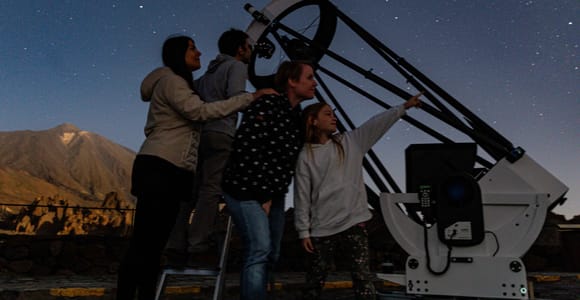 Guided tourTeide National Park: Guided Large Telescope Stargazing Tour3 hours · ★ 4.9 (386 reviews)from €65See availability →
Temperature and What to Wear
Even in summer, temperatures at 2,000 metres drop sharply after sunset. Expect conditions between 5°C and 10°C on a typical summer evening, falling to near freezing or below in winter. Wind chill makes it feel colder, and you will stand still for extended periods while observing.
Bring a warm jacket, long trousers and closed shoes. A hat and gloves prove useful in winter months. Layers work better than a single thick coat, as you may feel warm during the ascent but cold once you stop moving. Most operators mention the temperature in their trip descriptions, but many first-time visitors still underestimate how cold it gets.
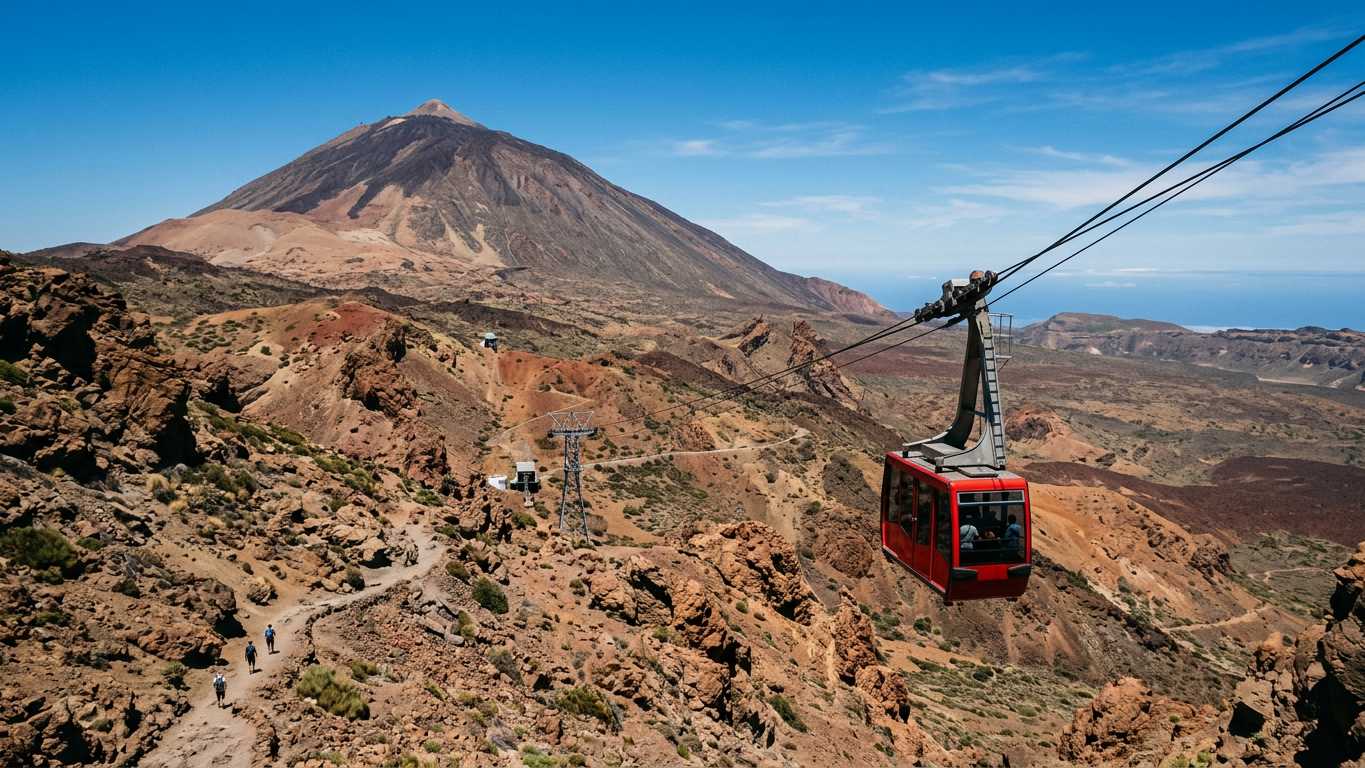
If you plan to visit Mount Teide during the day as well, remember that daytime temperatures at the same altitude can reach 20°C or higher in summer, so separate trips require different clothing.
Moon Phase and Visibility
The moon's brightness has a dramatic effect on what you can see. During a full moon or in the days either side, its light washes out fainter stars, the Milky Way and most deep-sky objects. Planets and the moon itself become the main targets, and while impressive through a telescope, the overall experience differs from a truly dark sky.
Tours run year-round regardless of moon phase, but booking around a new moon gives you the darkest skies. Most operators display the moon phase on their booking calendar, or you can check any lunar calendar before selecting your date. If you have flexibility, avoiding the week around the full moon makes a noticeable difference.
Cloud cover matters too, but this is harder to predict far in advance. Operators monitor forecasts and sometimes offer rebooking if conditions look unfavourable, though policies vary.
Visiting Teide Observatory at Night
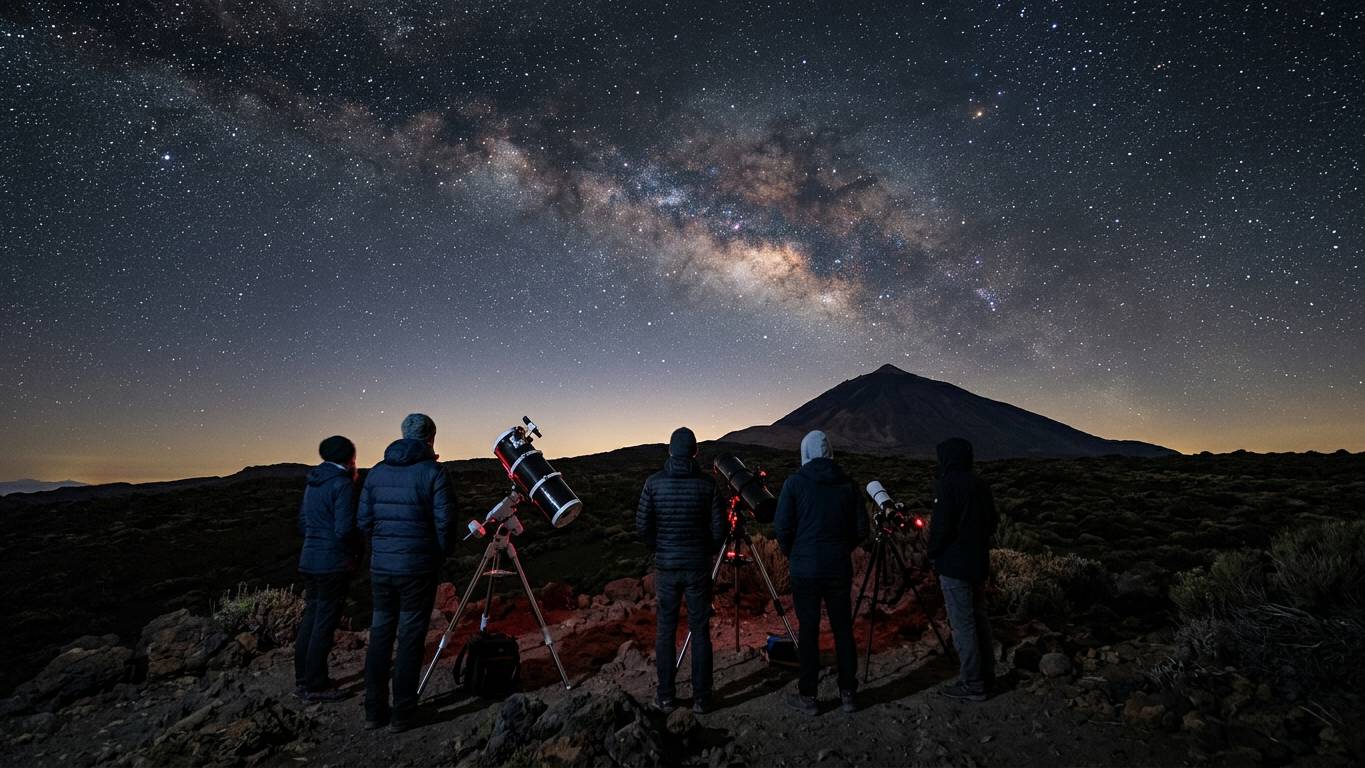
The Teide Astronomical Observatory, located at 2,390 metres on the northern slopes, occasionally opens for guided night visits. These tours differ from standard stargazing trips: you enter the working research facility, learn about the telescopes used by institutions from across Europe, and observe through some of the same instruments that professional astronomers use during the week.
Places are limited and must be booked well in advance through the Instituto de Astrofísica de Canarias. The experience is more technical and educational than commercial stargazing tours, appealing to those with a deeper interest in astronomy. The observatory visit does not include hotel transfer, so you need your own transport to reach the site.
Daytime observatory visits are more common and easier to book, but the night programme offers a rare chance to see research telescopes in action.
Stargazing on Your Own
You can drive up to Teide National Park independently and stargaze without a guide. Several parking areas remain accessible after dark, and no permit is required simply to observe the sky from roadside viewpoints. This approach costs nothing beyond fuel and gives you complete freedom over timing and location.
The main challenge is identifying what you see. Without a guide or at least a stargazing app, the sheer number of visible stars can be overwhelming rather than enlightening. You also miss the telescopes that reveal detail on planets, the moon and deep-sky objects. Safety is another consideration: the mountain roads are winding, unlit and often cold enough for ice patches in winter.
If you have prior stargazing experience and your own equipment, self-guided visits work well. For most visitors, the guided option provides better value through expert interpretation and optical equipment. The Teide cable car does not operate after dark, so you cannot combine a sunset trip with a cable car ascent on the same evening.
Age Limits and Accessibility
Most operators set a minimum age of around six to eight years, though policies vary. The long duration, late return time and need to stand still in the cold make these trips less suitable for very young children. Some families find that children lose interest during the stargazing session, especially if they are tired or cold.
The tours involve minimal walking, usually just from the coach to the viewing area and back. However, the altitude can cause mild symptoms such as headache or shortness of breath in some people, regardless of age. If you have cardiovascular or respiratory conditions, check with your doctor before booking a high-altitude excursion.
Wheelchair access depends on the specific viewpoint each operator uses, and most cannot guarantee fully accessible experiences due to the natural terrain. Contact the operator directly if you have specific mobility requirements.
Comparing Teide by Night with Other Excursions
| Feature | Teide by Night | Daytime Mount Teide Tours |
|---|---|---|
| Duration | 6-7 hours | 7-9 hours |
| Altitude reached | 2,000-2,200 m | Up to 3,555 m by cable car |
| Main focus | Sunset and stargazing | Volcanic landscape and summit views |
| Temperature | 5-10°C (colder in winter) | 10-20°C in summer, can be below freezing at cable car top station |
| Booking difficulty | Moderate availability | High demand, permits required for summit access |
| Moon phase impact | Significant (new moon best) | None |
Both experiences showcase different aspects of Spain's highest peak at 3,718 metres. If your schedule allows, many visitors choose to do both: a daytime trip to appreciate the volcanic terrain and a night trip for the astronomy. The Mount Teide excursion during the day can be combined with cable car tickets for those who want to reach the upper station.
For a completely different type of evening activity, boat trips along the coast offer sunset views from sea level, though without the stargazing component.
Frequently asked questions
Can you see the Milky Way on a Teide by night tour even if you have never seen it before?
Yes, on a clear night with little or no moon, the Milky Way appears as a bright band stretching across the sky, easily visible to the naked eye from Teide's altitude. If you have only ever observed from light-polluted areas, the difference is striking. Guides point out its position and explain what you are seeing.
How cold does it get at Teide at night and will the tour still run in winter?
Night-time temperatures at 2,000 metres typically range from 5°C to 10°C in summer and can drop below freezing in winter, especially with wind chill. Tours operate year-round as long as roads remain open and weather conditions are safe. Operators cancel or reschedule if snow, ice or high winds make access dangerous.
Is it better to visit Teide for stargazing during a new moon or does the moon phase not matter much?
Moon phase makes a very significant difference. A full moon or nearly full moon washes out fainter stars and the Milky Way, limiting what you can see to brighter planets and the moon itself. Booking within a few days of a new moon gives the darkest skies and the best overall experience.
Do Teide stargazing tours provide the telescopes or do I need to bring my own equipment?
All guided tours include telescopes and laser pointers as part of the package. Guides set up the equipment and direct it towards planets, star clusters and other objects of interest. You do not need to bring anything except warm clothing, though binoculars can enhance your view of the wider sky between telescope sessions.
Can you go up Teide at night without a tour and just stargaze on your own for free?
Yes, the national park remains accessible after dark and you can park at various viewpoints to stargaze independently without paying any fee. The main drawbacks are the lack of a guide to explain what you are observing and the absence of telescopes to reveal detail on planets and deep-sky objects. The mountain roads are also unlit and winding, so drive carefully.
Are Teide by night tours suitable for children or is it too long and cold for younger kids?
Most operators set a minimum age of six to eight years, but the six to seven-hour duration, late return around midnight and cold temperatures make it challenging for younger children. Many families find that children lose interest or become uncomfortable during the stargazing session. The trip suits older children and teenagers better.
If I book a Teide sunset and stargazing tour, where does the coach pick me up and what time will I get back?
Most operators collect passengers from hotels along the south and southwest coast, usually between 3pm and 5pm depending on your location and the season. Return times are typically around midnight. Exact pickup times are confirmed after booking based on your specific accommodation.
What is the difference between a commercial Teide stargazing tour and a night visit to Teide Observatory?
Commercial tours focus on accessible stargazing with guides and portable telescopes at viewpoints around 2,000 metres. Observatory night visits are educational tours of the research facility at 2,390 metres, where you learn about professional telescopes and sometimes observe through them. Observatory visits require advance booking through the Instituto de Astrofísica de Canarias and do not include hotel transfers.